Northglenn: 303-872-5970

The Complete Guide to Getting Straighter Teeth with Orthodontic Treatment

A straight, well-aligned smile can improve both your appearance and oral health. When teeth are crooked or misaligned, it can be harder to clean them properly, which may increase the risk of cavities and gum disease. Orthodontic treatment helps correct these issues by gradually moving teeth into their ideal position.
If you are considering treatment with an orthodontist in Westminster, understanding the available options and treatment process can help you make a confident decision about improving your smile.
Why Straighter Teeth Are Important for Oral Health
Many people seek orthodontic treatment to enhance their smile, but the benefits extend far beyond aesthetics. Properly aligned teeth support better dental function and make daily oral hygiene easier.
Some important benefits of straighter teeth include:
- Easier brushing and flossing
- Reduced risk of tooth decay and gum disease
- Improved bite alignment
- Less pressure on jaw joints
- Increased confidence when smiling
For patients exploring orthodontic treatment in Westminster, achieving proper alignment can help maintain long-term oral health.
Common Dental Issues an Orthodontics Can Treat
Orthodontics diagnose and correct a variety of alignment and bite problems. These issues can affect both children and adults.
Crooked or Misaligned Teeth
Teeth that grow unevenly can create difficulty when chewing and cleaning the mouth properly.
Crowded Teeth
Crowding occurs when there is not enough space in the mouth for teeth to align properly, causing them to overlap or twist.
Gaps Between Teeth
Spacing issues may affect both appearance and the balance of the bite.
Types of Orthodontic Treatments Available in Westminster
At Bluebird Family Dentistry & Orthodontics, we offer a variety of orthodontic treatments to suit different needs and preferences. Here are some of the most popular options:
Traditional Metal Braces
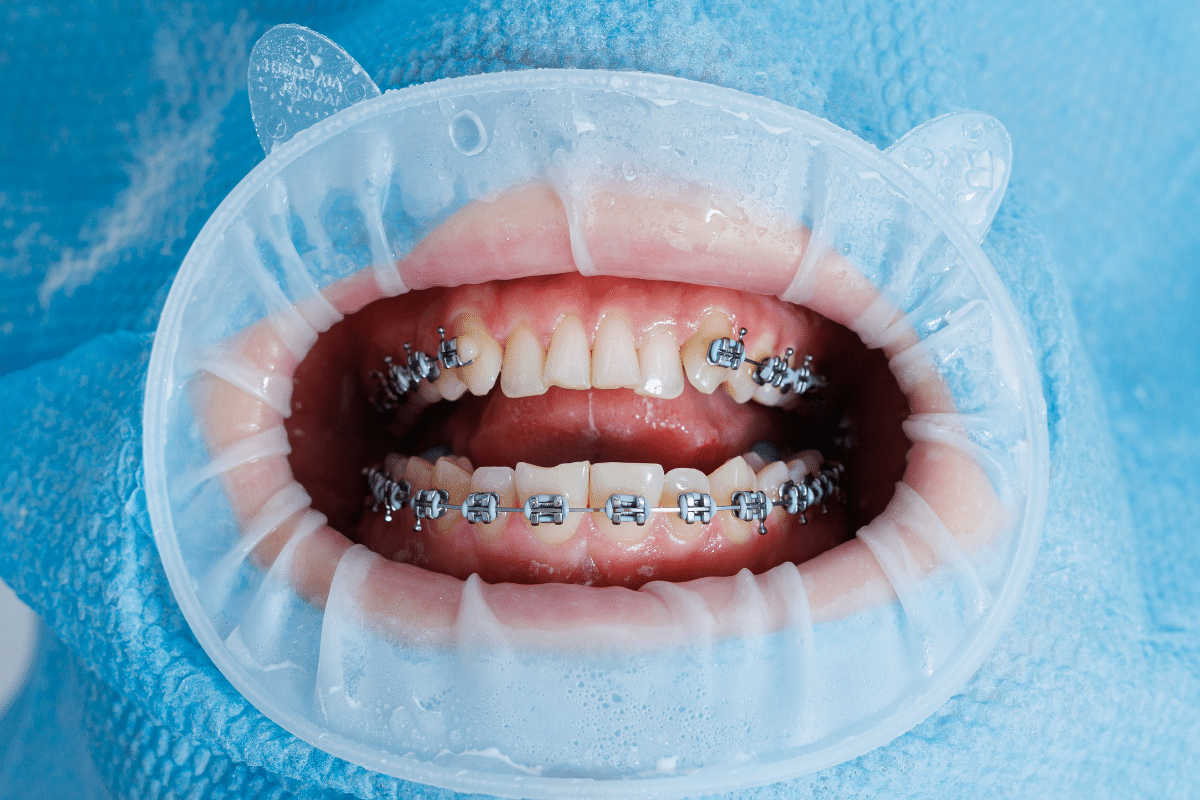
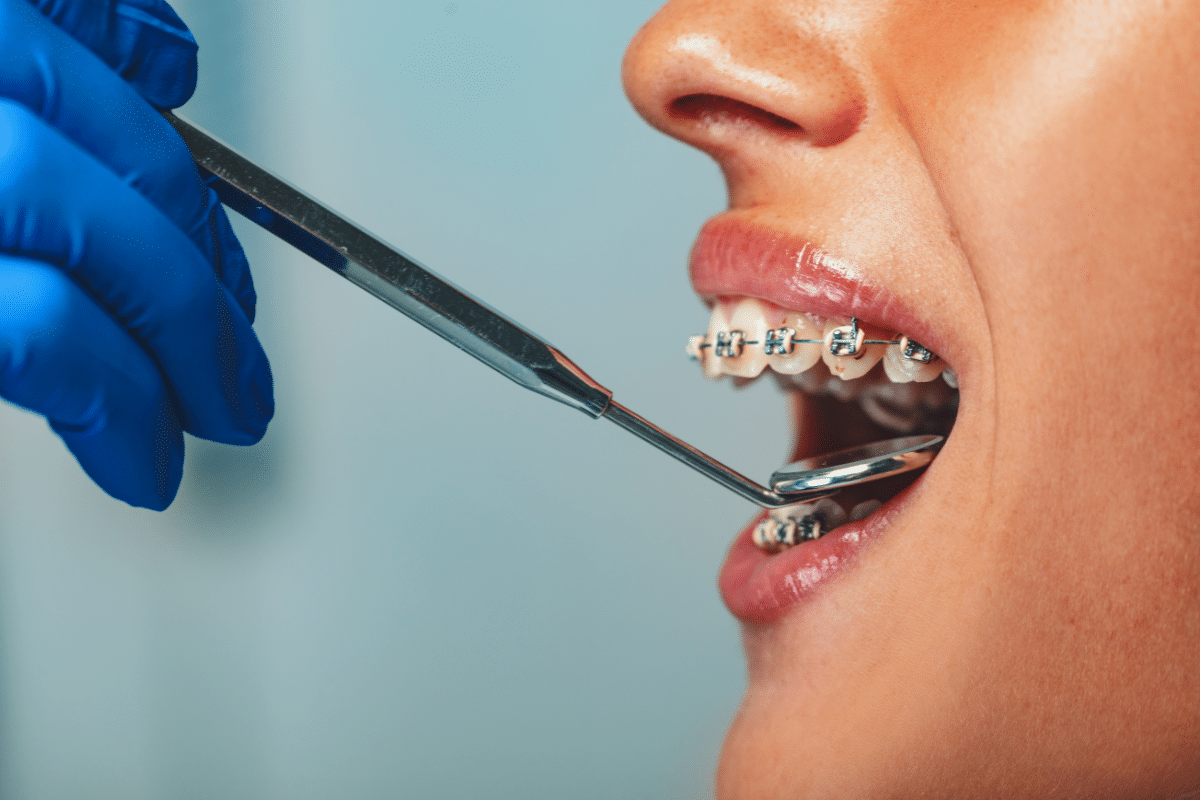
Traditional metal braces are the most common type of orthodontic treatment. They consist of metal brackets attached to the teeth and connected by archwires. Regular adjustments tighten the wires, gradually moving the teeth into their desired positions. Metal braces are highly effective for correcting severe misalignments.
Ceramic Braces
Ceramic braces work similarly to metal braces but use tooth-colored or clear brackets, making them less noticeable. This option is popular among adults and teenagers who prefer a more discreet treatment.
Invisalign
Invisalign is a revolutionary orthodontics treatment that uses a series of clear, removable aligners to straighten teeth. The aligners are custom-made to fit snugly over the teeth and are replaced every one to two weeks. Invisalign is a popular choice for those seeking a nearly invisible solution.
Lingual Braces
Lingual braces are similar to traditional braces but are attached to the back of the teeth, making them invisible from the front. This option is ideal for patients who need the effectiveness of metal braces but want a discreet appearance.
Self-Ligating Braces
Self-ligating braces use a specialized clip instead of elastic bands to hold the archwire in place. This design reduces friction and allows for faster tooth movement. Self-ligating braces are available in both metal and ceramic options.
What to Expect During Orthodontic Treatment
Understanding the treatment process can help you feel more prepared before starting orthodontic care.
Initial Consultation
Our dentist or orthodontist will evaluate your teeth, bite alignment, and overall oral health. Digital X-rays or scans may be taken to create a detailed treatment plan.
Personalized Treatment Plan
Based on the evaluation, our orthodontist will recommend the most appropriate method to straighten your teeth and improve your bite.
Active Treatment Phase
During treatment, braces or aligners gradually move teeth into the correct position. Regular dental visits allow your to monitor progress and make adjustments.
Retention Phase
After treatment is complete, retainers help maintain the new alignment and prevent teeth from shifting back.
How Long Does Orthodontic Treatment Take?
The duration of orthodontic treatment varies depending on the severity of the alignment issue and the type of treatment chosen.
In many cases, treatment can take:
- 12 to 24 months for moderate alignment problems
- Shorter periods for minor corrections
- Longer treatment times for complex bite issues
Your orthodontist in Westminster will provide a personalized timeline during your consultation.
Tips for Maintaining Oral Health During Orthodontic Treatment
Proper oral care is especially important while undergoing orthodontic treatment.
Helpful tips include:
- Brush your teeth after every meal
- Floss carefully around brackets or aligners
- Avoid sticky or hard foods if wearing braces
- Keep aligners clean and wear them as instructed
- Schedule regular dental checkups
Maintaining good oral hygiene helps ensure successful treatment results.
Frequently Asked Questions (FAQ’s)
How do I know if I need orthodontic treatment?
If you notice crooked teeth, bite issues, or difficulty cleaning between teeth, a consultation with an orthodontist can help determine whether treatment is needed.
Are clear aligners as effective as braces?
Clear aligners can effectively treat many alignment problems, although more complex cases may still require braces.
Is orthodontic treatment only for teenagers?
No. Many adults choose orthodontic treatment to improve both the appearance and health of their smile.
How often should I visit the orthodontist during treatment?
Patients usually visit every 4 to 8 weeks for adjustments and progress checks.