Northglenn: 303-872-5970

How Orthodontic Treatment Can Improve Your Smile and Oral Health

The value of orthodontic treatment extends well beyond appearance. The position of your teeth affects how you bite and chew, how effectively you brush and floss, and how forces are distributed across your teeth. Correcting alignment problems can therefore contribute to a healthier, more functional smile.
As dental practitioners, we often remind patients that crooked teeth, crowding, gaps, and bite problems should not automatically be considered cosmetic concerns. Depending on their severity, these conditions can affect everyday oral care and dental function.
At Bluebird Family Dentistry – Westminster, Dr. Tristan Collins, Dr. Scott Czarnik, Dr. Lilly Poor, and Dr. Michael Clemens help patients understand their dental needs and options for healthier smiles. If you are concerned about crooked teeth or your bite, visit our dental office in Westminster for an evaluation and learn whether orthodontic treatment may be appropriate for you.
What Does Orthodontic Treatment Actually Do?
The treatment gradually changes the position of teeth and, when necessary, addresses how the upper and lower teeth fit together. Controlled forces are applied over time to guide teeth toward planned positions.
Treatment can address concerns such as:
- Crowded or overlapping teeth
- Spaces between teeth
- Crooked or rotated teeth
- Overbites
- Underbites
- Crossbites
- Open bites
- Certain problems involving how teeth meet when biting
The goal is not simply to make every tooth look straight from the front. We also consider how your teeth function together and how the final alignment may support long-term oral health.
For patients exploring orthodontics in Westminster, an evaluation is an important starting point because two smiles that appear similar can have very different underlying bite and alignment concerns.
How Does Orthodontic Therapy Improve Your Smile?
The cosmetic improvement is usually the most visible benefit. When crowded, rotated, or widely spaced teeth are repositioned, the smile can appear more balanced and uniform.
Creates More Even Tooth Alignment
Crooked or overlapping teeth can interrupt the natural appearance of your smile. Aligners gradually reposition these teeth, helping create more consistent alignment across the dental arch.
Helps Close Unwanted Gaps
Spaces between teeth may develop because of tooth size, tooth position, missing teeth, or other factors. In appropriate cases, the treatment can redistribute or close spaces to create a more balanced appearance.
Improves Overall Smile Balance
Your smile involves more than individual teeth. Tooth position, arch form, bite relationships, and surrounding facial features all influence its appearance. Proper planning considers these relationships rather than focusing exclusively on one crooked tooth.
For many patients, these changes can also increase confidence about smiling in social and professional situations.
How Can Straighter Teeth Improve Oral Health?
Straight teeth are not automatically healthy teeth. You still need daily brushing, flossing, appropriate nutrition, and regular dental care. However, improved alignment may make maintaining healthy teeth and gums easier.
Straighter Teeth Can Be Easier to Clean
Crowded and overlapping teeth can create narrow spaces that are difficult to reach with a toothbrush or floss.
When teeth are properly positioned, their surfaces may become more accessible during daily cleaning. This can make plaque removal easier and help patients maintain a more consistent oral hygiene routine.
Getting your teeth aligned does not replace preventive dentistry, but better alignment can remove some of the physical obstacles that make home care challenging.
Better Alignment May Help Protect Your Gums
Plaque can accumulate around crowded teeth and near the gumline when those areas are difficult to clean. If plaque is not adequately removed, the gums may become irritated and inflamed.
Improving tooth position can make brushing along the gumline and cleaning between teeth more manageable. Patients must still maintain excellent oral hygiene throughout and after treatment to protect their periodontal health.
Correcting the Bite Can Improve Chewing
Your upper and lower teeth are designed to work together when you bite and chew. When that relationship is significantly disrupted, certain foods may be harder to bite through or chew efficiently.
Correcting an overbite, underbite, crossbite, open bite, or other malocclusion may improve the way the teeth come together. Better contact between the teeth can support more comfortable and efficient chewing.
Can This Form of Dentistry Reduce Uneven Tooth Wear?
It can in some cases.
When a bite is poorly aligned, certain teeth may receive more force than others. Repeated excessive contact can contribute to uneven enamel wear over time.
By improving how the upper and lower teeth meet, this form of dentistry can distribute biting forces more appropriately. The specific benefit depends on the patient’s bite, existing dental conditions, and other factors such as teeth grinding.
This is one reason we evaluate function as well as appearance when planning treatment.
Can Orthodontics Help With Jaw Comfort?
Sometimes, but jaw discomfort is complex and should not automatically be attributed to tooth alignment.
Certain bite problems may contribute to uneven forces during biting and chewing. Improving the bite can create a more functional relationship between the teeth. However, temporomandibular joint disorders, muscle tension, injuries, grinding, and other conditions can also cause jaw symptoms.
If you experience persistent jaw pain, clicking, restricted movement, or headaches, a dental evaluation is important. This therapy should only be recommended when the clinical findings support it.
What Teeth Alignment Treatment Options Are Available?
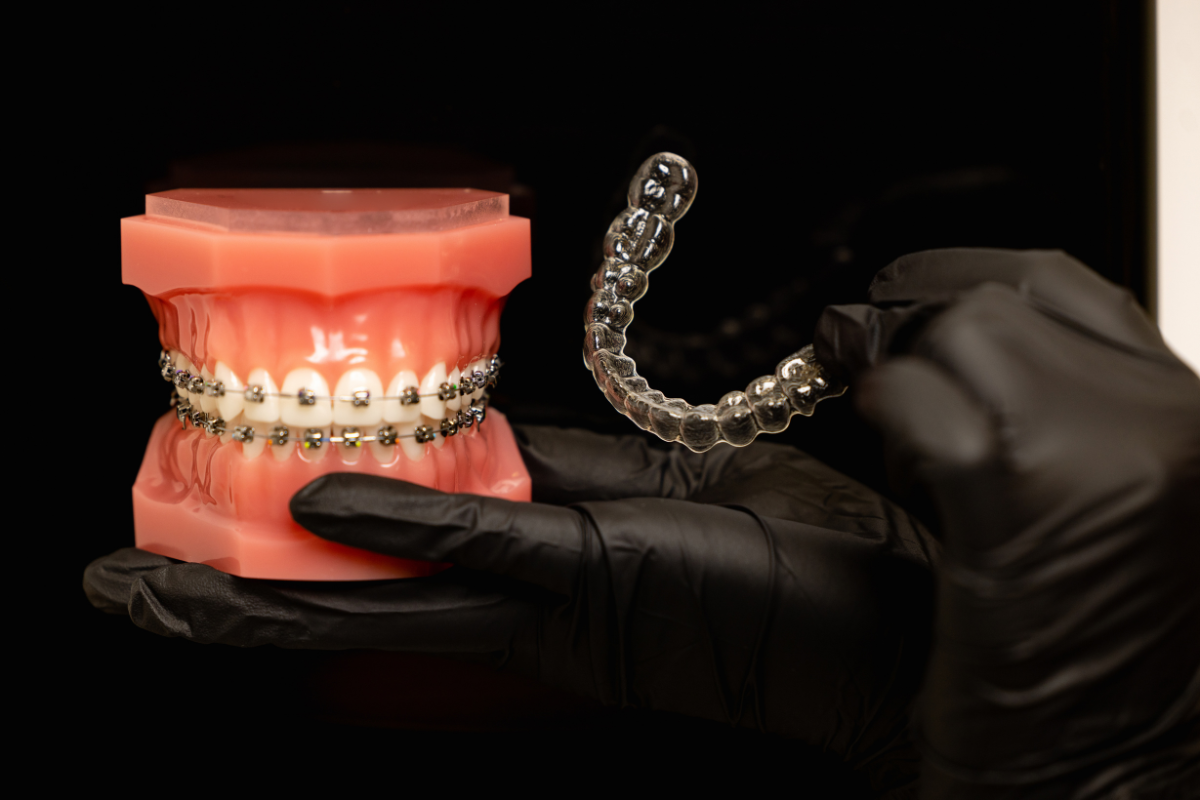
Modern treatment is not limited to conventional metal braces. At our dental practice, available options include traditional metal braces, clear braces, and clear aligners.
Traditional Metal Braces
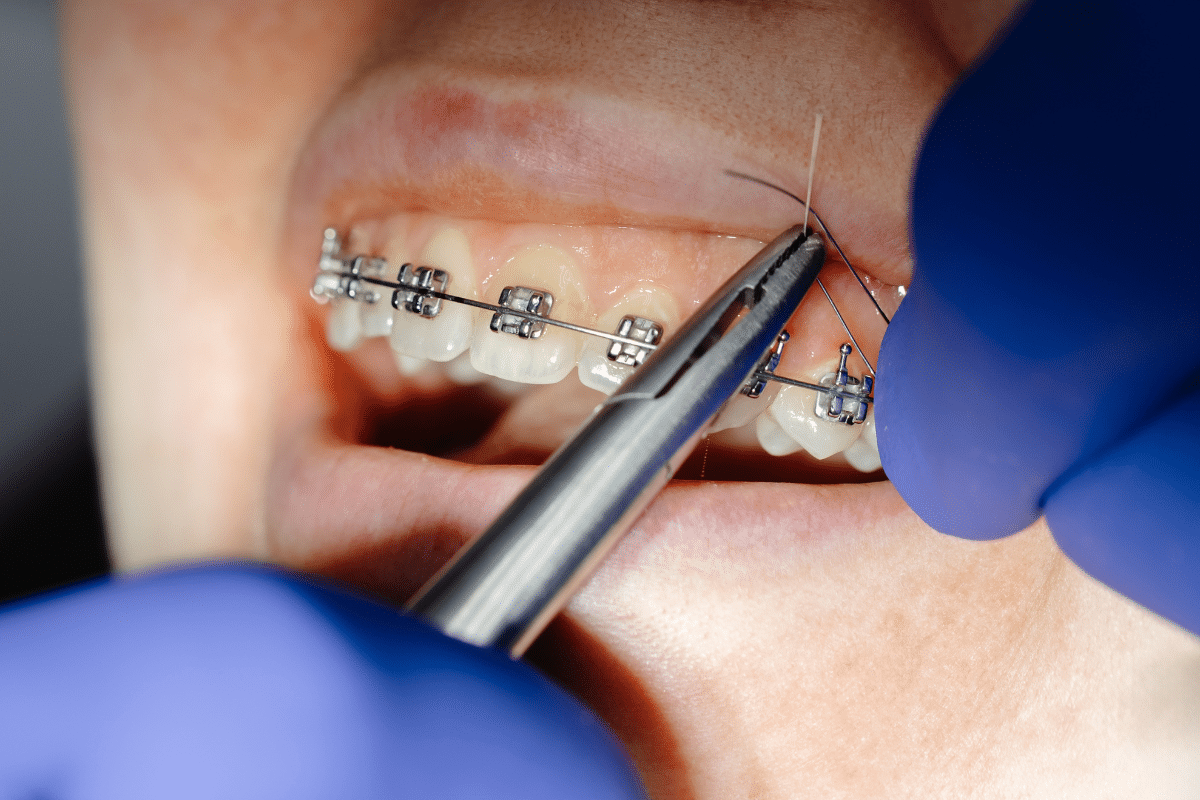
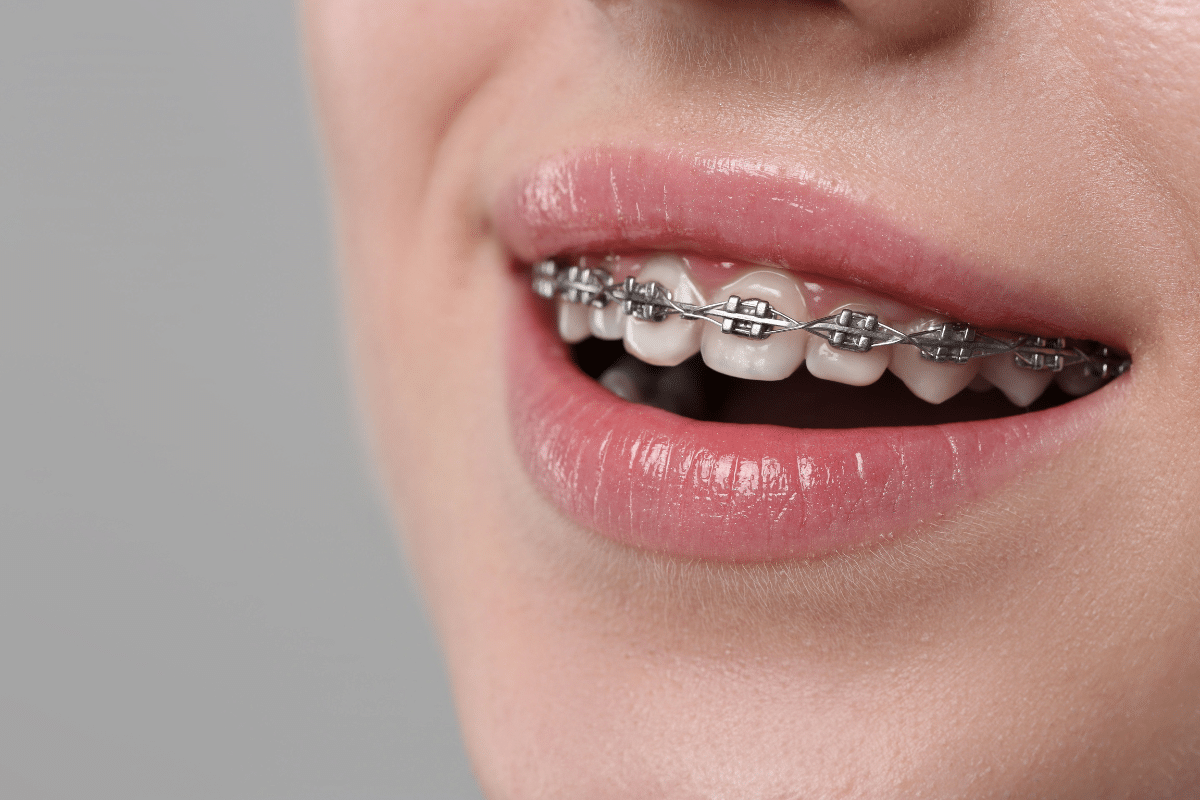
Metal braces use brackets and archwires to move teeth gradually. They can address a broad range of alignment and bite concerns.
Modern metal braces are more refined than older systems, and patients may be able to choose colored elastics to personalize their appearance.
Clear Braces
Clear braces function similarly to conventional braces but use less noticeable materials, such as ceramic. They may appeal particularly to older teens and adults who want fixed care with a more discreet appearance.
Clear Aligners
Clear aligners use a planned series of removable trays to move teeth. Because the trays can be removed for eating and oral hygiene, patients can generally brush and floss without navigating around fixed brackets and wires.
However, aligners require consistent wear. They are also not appropriate for every problem. An evaluation determines whether aligners or braces are better suited to your needs.
What Happens During the Evaluation?
Choosing orthodontics in Westminster should begin with a thorough assessment rather than selecting an appliance based only on appearance.
During an evaluation, we examine your teeth, bite, gums, and overall oral condition. Diagnostic information may be used to understand tooth positions and the relationship between your upper and lower arches.
We also consider factors such as:
- Type and severity of misalignment
- Bite relationship
- Oral health
- Age and dental development
- Treatment goals
- Lifestyle and ability to follow treatment instructions
This information allows us to discuss realistic options and expected outcomes.
How Long Does the Treatment Take?
There is no universal treatment timeline.
Bluebird Family Dentistry notes that treatment may range from approximately six months to three years depending on factors including age, treatment method, and the complexity of the issue.
Minor spacing or alignment concerns may require less time than significant crowding or complex bite correction. Patient cooperation matters as well. Keeping appointments, caring for appliances, following dietary guidance, and wearing aligners or elastics as directed can help treatment progress as planned.
Rather than focusing only on finishing quickly, the priority should be moving teeth in a controlled manner toward a healthy, stable result.
Is Orthodontic Care Only for Children and Teenagers?
No. Adults can benefit from the treatment as well.
Teeth can be moved at many ages when the supporting teeth, gums, and bone are sufficiently healthy. Adults frequently seek care because they have longstanding crowding, spaces, bite problems, or teeth that have shifted over time.
Before treatment, we need to identify concerns such as active gum disease or untreated decay. These conditions may need to be addressed first.
Adults interested in orthodontics in Westminster can discuss traditional braces, clear braces, or clear aligners depending on their clinical needs and treatment goals.
How Do You Protect Your Teeth During the Treatment?
Oral hygiene becomes especially important while teeth are being moved.
Fixed braces can create additional areas where food debris and plaque collect. Patients should brush carefully around brackets and along the gumline and clean between teeth every day. Your dental team may recommend specific flossing aids or interdental brushes.
Patients using removable aligners should clean their teeth before replacing their trays whenever practical and follow instructions for keeping the aligners clean.
Regular dental examinations and professional cleanings remain important throughout the treatment. Appointments monitor tooth movement, while routine dental visits help monitor cavities, gum health, and other oral concerns.
What Happens After Your Teeth Are Straight?
Finishing active treatment is not the end of maintaining your new smile.
Teeth naturally have a tendency to shift after the movement. Retainers help maintain the corrected positions while the surrounding tissues adapt. Following the recommended retainer schedule is therefore essential for protecting your results.
You should also continue:
- Brushing twice daily
- Cleaning between your teeth every day
- Attending regular dental examinations
- Receiving professional cleanings
- Following retainer instructions
- Reporting unexpected tooth movement
Long-term maintenance helps protect both the appearance and health benefits achieved through treatment.
A Straighter Smile Can Support Health for Years to Come
Orthodontic treatment can do much more than change how your teeth look. Correcting crowding, spacing, and bite problems may make teeth easier to clean, support more effective chewing, improve how biting forces are distributed, and create a smile you feel more comfortable sharing.
The right treatment depends on your individual teeth, bite, oral health, and goals. That is why a professional assessment matters before deciding between braces, clear braces, or aligners.
If you or a family member is considering orthodontics in Westminster, contact us to schedule an evaluation. Our team can assess your smile, explain your options, and help you understand the next steps toward healthier alignment and a more confident smile.
Frequently Asked Questions (FAQ’s)
1. What is the best age to start orthodontic treatment?
There is no single ideal age for everyone. Children may benefit from early evaluation, while teenagers and adults can also receive treatment successfully. Timing depends on dental development, bite concerns, oral health, and individual treatment needs.
2. Are braces or clear aligners better for crooked teeth?
Both can straighten crooked teeth, but the appropriate choice depends on the complexity of the case. Braces offer precise control for many problems, while removable clear aligners may suit selected patients who can follow wear instructions.
3. Does orthodontic treatment hurt?
Patients may notice pressure or temporary tenderness when braces are adjusted or a new aligner is started. This discomfort generally decreases as the mouth adapts. Persistent or severe pain should be reported to your dental provider.
4. Can adults get braces if they have crowns or fillings?
Many adults with crowns or fillings can still receive orthodontic care. Existing dental work must first be evaluated carefully. Your provider will assess restorations, gum health, tooth condition, and bite before recommending an appropriate treatment approach.
5. How often do you need appointments during orthodontic treatment?
Appointment frequency varies according to the appliance and treatment plan. Regular visits allow your provider to monitor tooth movement, make necessary adjustments, assess appliance condition, and confirm that treatment is progressing safely toward the planned result.
6. Do I still need regular dental cleanings while wearing braces?
Yes. Routine examinations and professional cleanings remain important during orthodontic treatment. Brackets and wires can make plaque removal more challenging, so preventive dental visits complement careful brushing and flossing and help protect teeth and gums.
7. Will my teeth stay straight permanently after orthodontic treatment?
Teeth can gradually shift after active treatment, which is why retainers are important. Wearing your retainer according to instructions and maintaining regular dental care can help preserve alignment and protect your newly straightened smile long term.