Northglenn: 303-872-5970

How Orthodontic Care Corrects Bite and Alignment Problems
Crooked teeth and an uneven bite can affect more than appearance. These concerns may make chewing difficult, place excess pressure on certain teeth, and complicate daily brushing and flossing. Over time, uneven forces can contribute to enamel wear, jaw discomfort, and other oral health concerns.
At Bluebird Family Dentistry, Dr. Collins examines how the teeth and jaws work together before discussing care. Our orthodontist can use diagnostic images, dental impressions, and a clinical evaluation to identify the type and severity of the problem. Patients considering orthodontics in Westminster can then learn which treatment method may support healthier tooth positioning and more stable bite alignment.
What Are Bite and Dental Alignment Problems?
Dental alignment describes the position of individual teeth within the upper and lower arches. A bite problem, also called a malocclusion, occurs when the upper and lower teeth do not meet correctly.
Common orthodontic concerns include:
- Crowding: Teeth overlap because the dental arch lacks adequate space.
- Spacing: Noticeable gaps form between two or more teeth.
- Overbite: The upper front teeth overlap the lower front teeth excessively.
- Underbite: The lower front teeth extend in front of the upper teeth.
- Crossbite: Some upper teeth sit inside the lower teeth when the mouth closes.
- Open bite: The upper and lower teeth do not touch in certain areas.
- Dental midline shift: The centers of the upper and lower arches do not match.
A person may have more than one of these conditions. The treatment plan must account for how each issue affects chewing, speech, tooth wear, and jaw function.
What Causes Teeth and Jaws to Become Misaligned?
Genetics can influence jaw size, tooth size, and facial development. However, inherited traits are not the only causes of malocclusion.
Other contributing factors may include:
- Prolonged thumb-sucking or pacifier use
- Early loss of baby teeth
- Delayed loss of primary teeth
- Missing or extra permanent teeth
- Impacted teeth
- Facial or jaw injuries
- Mouth breathing during childhood
- Tongue-thrusting habits
- Previous dental work that affects how teeth meet
An orthodontic evaluation in Westminster helps determine whether the issue involves tooth position, jaw growth, oral habits, or a combination of factors.
How Does Orthodontic Treatment Move Teeth?
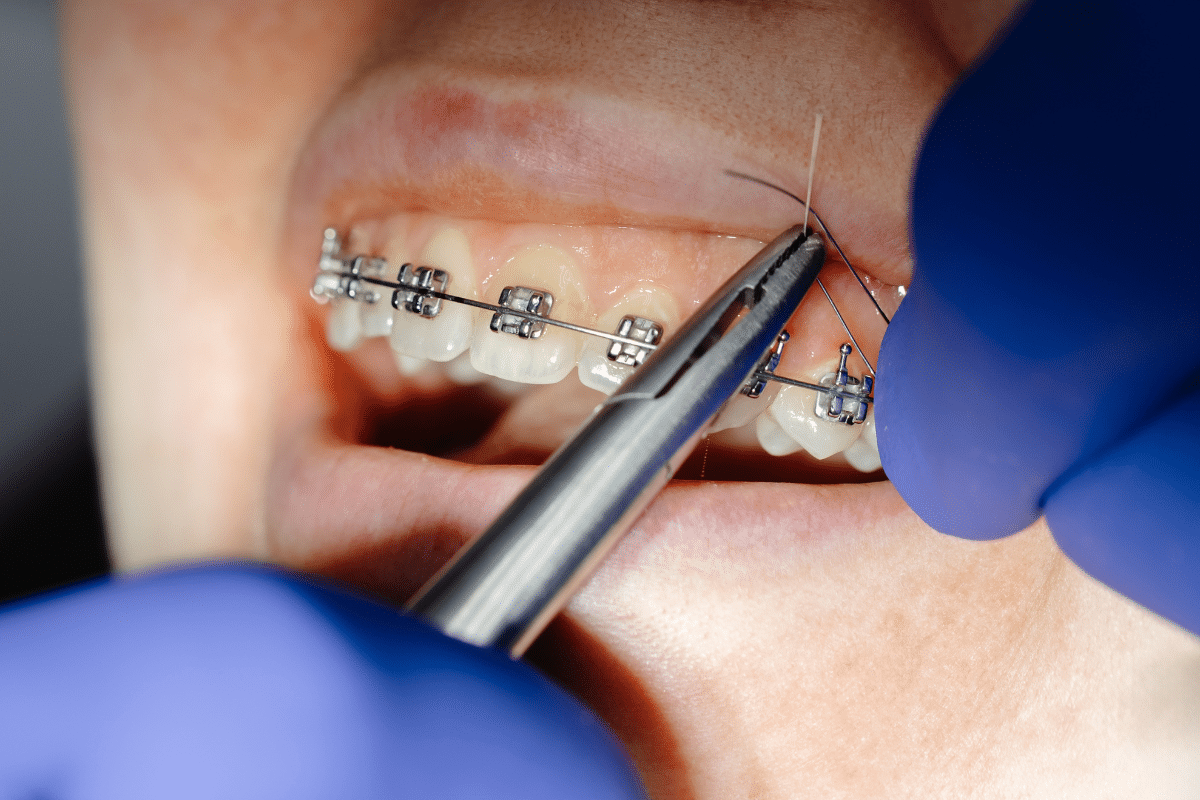
Orthodontic appliances apply light, controlled pressure to selected teeth. That pressure triggers a natural remodeling process in the bone surrounding each tooth root. Bone gradually breaks down on the side toward which the tooth is moving and rebuilds behind it.
Movement must occur at a planned rate. Excess force does not necessarily produce faster results and may place unnecessary stress on the roots and supporting tissues. An orthodontist monitors progress and adjusts the appliance as the teeth move.
For complex bite alignment concerns, treatment may also guide the relationship between the upper and lower arches. Elastics, archwires, or other appliances can apply pressure in specific directions to improve how the teeth come together.
Which Treatments Can Correct Alignment Problems?
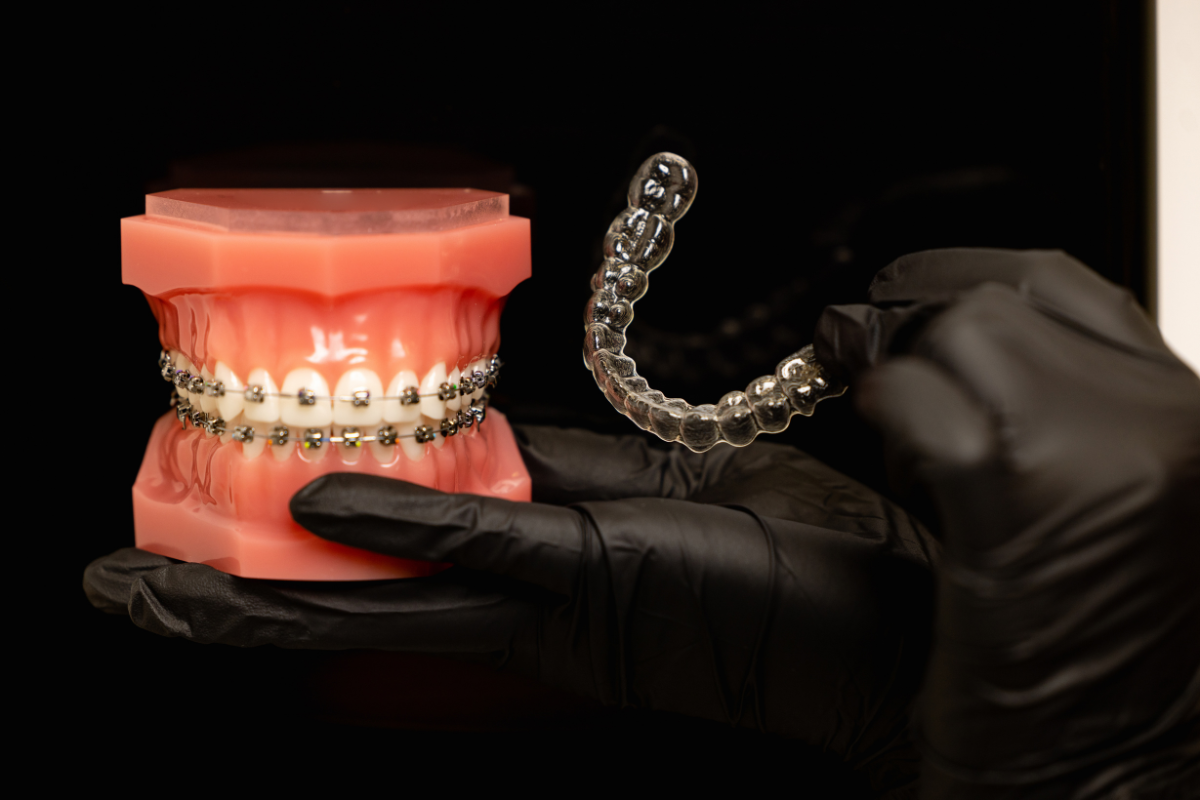
The right appliance depends on the diagnosis, treatment goals, age, and level of correction required. The practice offers traditional braces, clear braces, and removable clear aligners as possible options.
Traditional Metal Braces
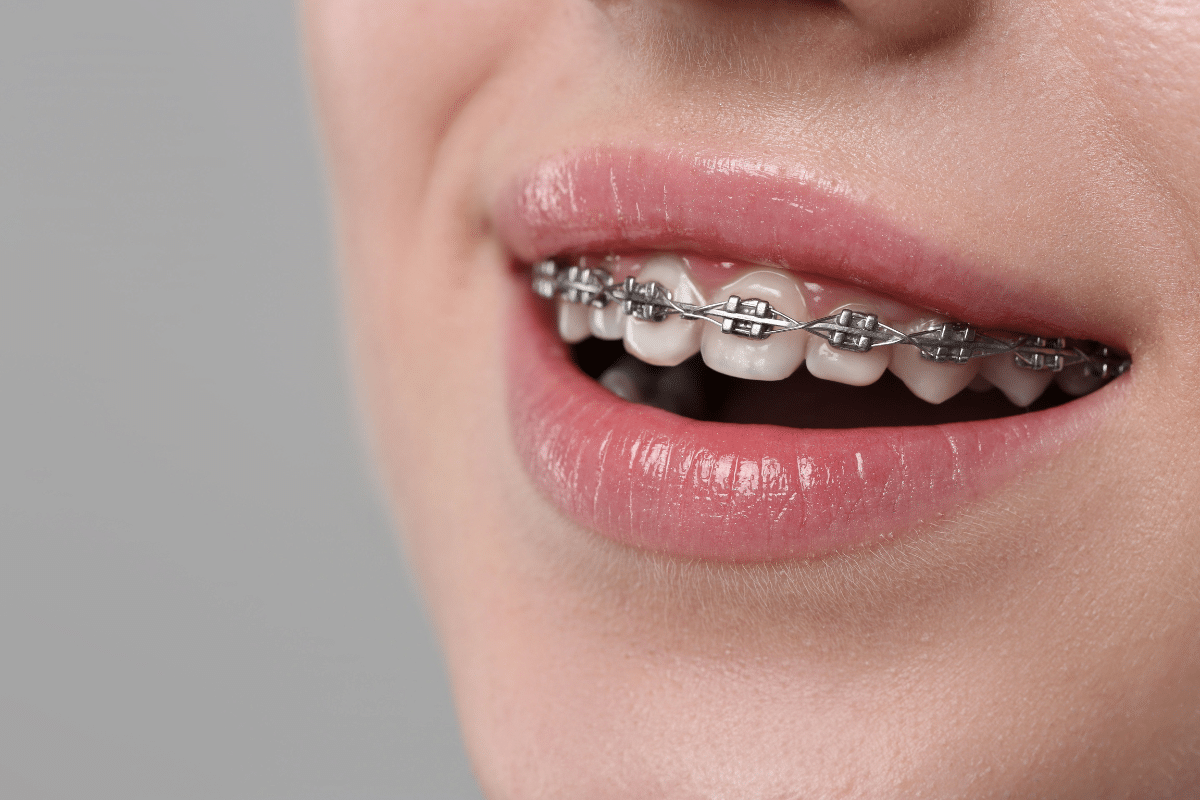
Metal brackets are bonded to the teeth and connected with archwires. Regular adjustments guide the teeth into planned positions. Braces can address crowding, gaps, rotated teeth, and several types of malocclusion.
Clear Braces
Clear braces function much like traditional braces but use ceramic or sapphire-colored brackets. Their less noticeable appearance may appeal to older teens and adults who prefer a more discreet option.
Clear Aligners
Clear aligners use a planned series of removable trays. Each tray moves designated teeth by a small amount. Aligners may work well for certain mild-to-moderate concerns, but they require consistent daily wear.
If you are unsure which option best fits your needs, visit our dental office for a comprehensive evaluation. An orthodontist can assess the teeth, jaw relationship, gum health, and supporting bone before recommending orthodontics in Westminster.
How Can Correcting Your Bite Support Oral Health?
Straighter teeth are generally easier to brush and floss because there are fewer crowded or overlapping areas where plaque can collect. Improving bite alignment may also distribute chewing pressure more evenly.
Orthodontic treatment may help:
- Reduce excessive wear on certain teeth
- Improve chewing efficiency
- Make oral hygiene more manageable
- Lower the risk of chipped teeth caused by uneven contact
- Reduce food trapping between crowded teeth
- Support clearer speech in some cases
- Improve long-term function of the teeth and jaws
Results vary because every case involves different dental and skeletal factors. Retainers are also necessary after active treatment to help preserve the corrected positions.
How Long Does Orthodontic Care Take?
Treatment time depends on the severity of the problem, the selected appliance, age, and patient participation. According to the practice, treatment may range from approximately six months to three years.
Keeping adjustment visits, wearing elastics or aligners as directed, and maintaining oral hygiene can help treatment remain on schedule. The orthodontist will monitor tooth movement throughout care and update the plan when necessary.
Improve Your Bite With Orthodontic Care in Westminster
A healthier tooth-jaw relationship can make everyday chewing, cleaning, and speaking more comfortable. Bluebird Family Dentistry provides traditional braces, clear braces, and clear aligners for patients with different alignment needs. To explore orthodontics in Westminster, book an appointment and receive an evaluation based on your teeth, jaws, and long-term oral health.
Frequently Asked Questions (FAQ’s)
Can Orthodontic Treatment Correct An Overbite?
Yes, braces, aligners, elastics, or other appliances may correct many overbites. The treatment method depends on whether the condition comes from tooth position, jaw development, or both. A dental evaluation can determine the extent of correction needed.
At What Age Should A Child Have An Orthodontic Evaluation?
Children can benefit from an evaluation while their jaws and permanent teeth are developing. Early assessment does not always mean immediate treatment. It can help identify growth concerns and determine the appropriate time to begin care.
Can Adults Correct Crooked Teeth And Bite Problems?
Yes. Adults can receive braces or clear aligners when their teeth, gums, and supporting bone are healthy. A complete examination can identify concerns that may need attention before tooth movement begins.
Are Clear Aligners Suitable For Every Bite Problem?
No. Clear aligners can correct many alignment concerns, but complex tooth movements may respond more predictably to braces or additional appliances. A consultation can clarify which approach matches the condition.
Why Are Retainers Needed After Orthodontic Treatment?
Teeth can shift toward their previous positions after active treatment ends. Retainers hold them in place while the surrounding bone and tissues adapt. Following the recommended retainer schedule helps protect the treatment results.
Can Correcting Tooth Alignment Relieve Jaw Discomfort?
Treatment may reduce discomfort when uneven tooth contact contributes to muscle strain or excess pressure. However, jaw pain can have several causes. A clinical assessment is necessary before linking the symptoms to dental alignment.