Northglenn: 303-872-5970

Enhance Your Smile and Oral Health with Orthodontic Treatments

A straight and healthy smile can improve more than just your appearance. Orthodontic treatments help correct misaligned teeth, improve bite function, and support better long-term oral health. Many people think orthodontics is only about aesthetics, but properly aligned teeth are also easier to clean and maintain.
Modern orthodontics in Westminster offer comfortable and effective solutions for children, teens, and adults. Whether you are dealing with crowded teeth, gaps, bite issues, or jaw alignment concerns, orthodontic care can help you achieve a healthier and more confident smile.
What Are Orthodontic Treatments?
Orthodontic treatments focus on correcting the alignment of teeth and jaws. Dentists and orthodontic professionals use customized appliances such as braces or clear aligners to gradually move teeth into the correct position.
These treatments can address several common dental concerns, including:
- Crooked teeth
- Overcrowding
- Gaps between teeth
- Overbite
- Crossbite Jaw alignment issues
Correcting these problems can improve both the appearance and function of your smile.
Why Orthodontic Treatments Matter for Oral Health
Many patients choose orthodontic treatment to improve their smile, but the benefits go far beyond cosmetic improvements.
Easier Oral Hygiene:
Crowded or overlapping teeth can make brushing and flossing difficult. Food particles and plaque can build up in hard-to-reach areas, increasing the risk of cavities and gum disease. Straight teeth are easier to clean properly, helping maintain better oral hygiene.
Reduced Risk of Tooth Damage
Misaligned teeth can create uneven pressure during chewing. Over time, this pressure may lead to tooth wear, cracks, or enamel damage. Orthodontic treatments help distribute bite pressure more evenly across the teeth.
Improved Bite Function
A poor bite can make chewing uncomfortable and may even affect speech. Correcting bite alignment helps improve overall oral function and jaw comfort.
Better Long-Term Dental Health
Orthodontic care supports healthier gums and teeth over time. Proper alignment reduces strain on supporting structures and may help prevent future dental complications.
Popular Orthodontic Treatment Options
Modern dentistry offers several orthodontic solutions designed to fit different lifestyles and dental needs.
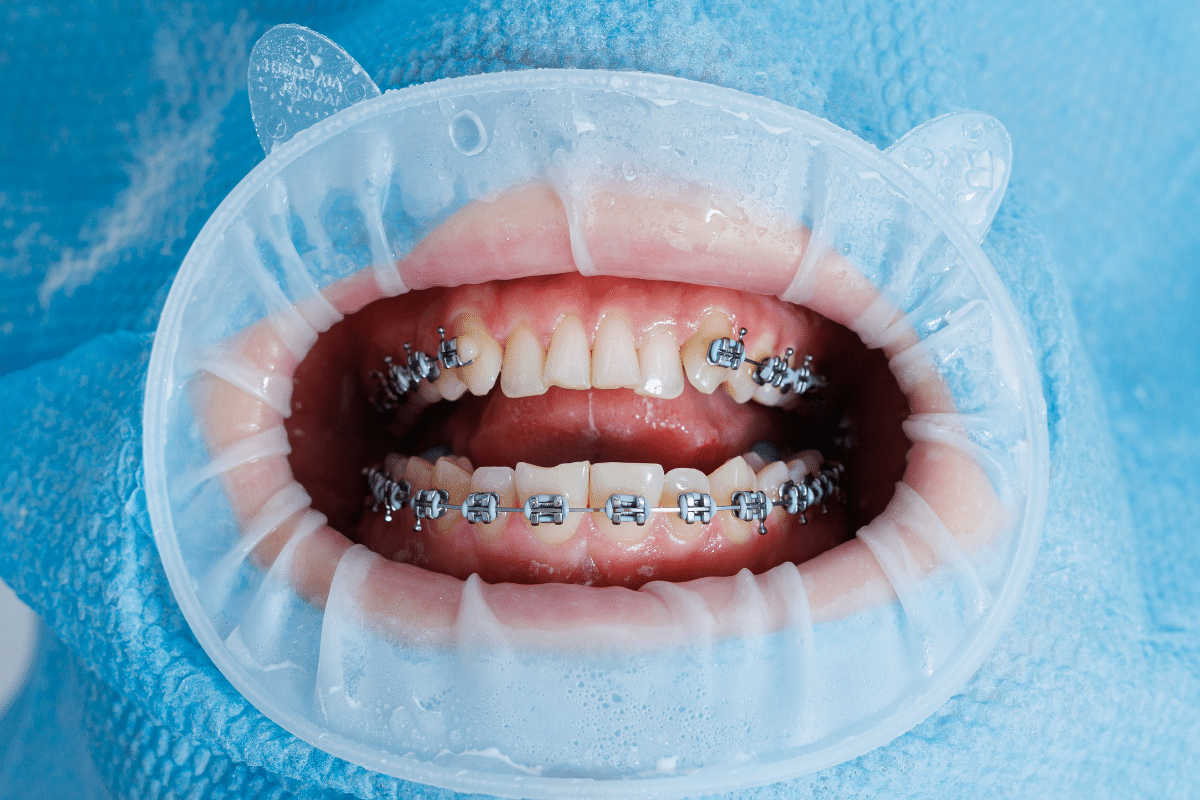
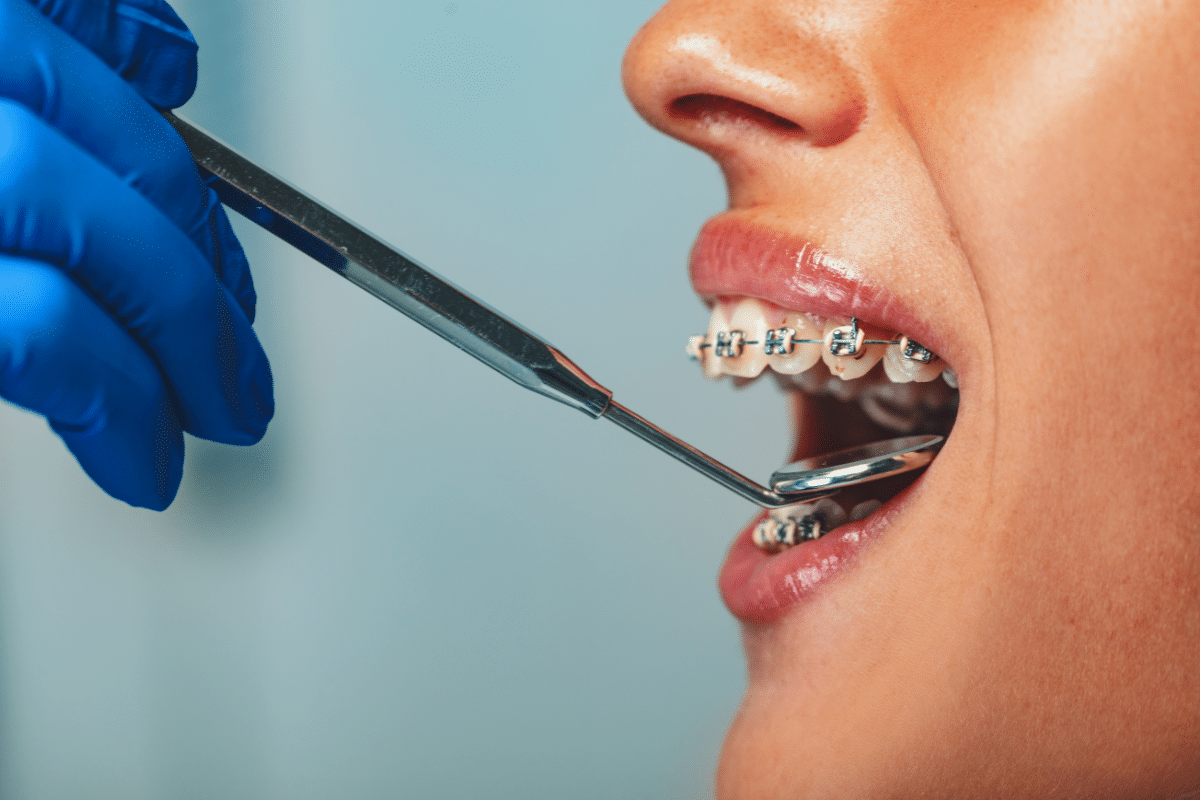
Traditional Metal Braces
Metal braces remain one of the most effective orthodontic treatments for correcting complex alignment issues. They use brackets and wires to gradually move teeth into proper position.
Today’s braces are smaller, more comfortable, and more efficient than older designs.
Benefits of Metal Braces
- Effective for severe alignment issues
- Reliable and durable
- Suitable for patients of all ages
- Delivers predictable results
Clear Aligners
Clear aligners have become a popular alternative to traditional braces. These custom-made trays gradually shift teeth while remaining nearly invisible.
Patients can remove aligners while eating and brushing, making them a convenient orthodontic solution for many adults and teens.
Signs You May Need Orthodontic Treatment
You may benefit from orthodontic treatment if you experience:
- Crooked or crowded teeth
- Difficulty cleaning between teeth
- Frequent biting of cheeks or tongue
- Jaw pain or discomfort
- Difficulty chewing
- Speech problems caused by tooth alignment
- Noticeable gaps between teeth
An orthodontic evaluation can determine the best treatment option for your needs.
Orthodontic Treatment for Adults
Orthodontic care is not only for teenagers. Many adults now choose orthodontic treatments to improve their oral health and confidence.
Modern options like clear aligners and discreet braces make treatment more comfortable and convenient for adult patients. Straightening teeth later in life can still provide significant oral health benefits.
How Long Does Orthodontic Treatment Take?
Treatment time varies depending on the complexity of the dental issue and the type of orthodontic solution used.
Most orthodontic treatments take between 12 and 24 months. Minor corrections may require less time, while more complex cases can take longer.
Consistent follow-up visits and proper oral care help ensure successful treatment results.
Tips for Maintaining Oral Health During Orthodontic Treatment
Maintaining good oral hygiene during orthodontic treatment is essential for protecting your teeth and gums.
Helpful Oral Care Tips
- Brush after every meal
- Floss daily
- Avoid sticky or hard foods with braces
- Wear aligners as instructed
- Attend regular dental checkups
- Follow all treatment recommendations
Proper care can help prevent plaque buildup and keep your smile healthy throughout treatment.
The Confidence Boost of a Straighter Smile
Orthodontic treatments can improve self-confidence by creating a straighter and more attractive smile. Many patients feel more comfortable speaking, smiling, and socializing after completing treatment.
A healthy smile can positively impact both personal and professional interactions.
Choose Professional Orthodontic Care for Long-Term Results
Orthodontic treatments provide lasting benefits for both your smile and oral health. Correcting alignment issues can improve comfort, function, and overall dental wellness for years to come.
Whether you are considering braces or clear aligners, working with an dental team can help you achieve the best results. Personalized orthodontic care ensures that your treatment plan fits your goals, lifestyle, and oral health needs.
Frequently Asked Questions(FAQ’s)
Can adults get braces or aligners?
Yes. Orthodontic treatment is effective for adults as well as children and teens.
How often are orthodontic appointments needed?
Most patients visit their dental office every 4 to 8 weeks during treatment.
Do clear aligners work as well as braces?
Clear aligners can effectively treat many alignment issues, though severe cases may still require traditional braces.
How do I maintain results after orthodontic treatment?
Retainers are commonly used after treatment to help keep teeth in their new positions and maintain long-term results.