Northglenn: 303-872-5970

Invisalign vs. Traditional Braces: Which Is Right for You?

Straightening your teeth is not just a cosmetic concern – it can also improve your oral health and boost your confidence. But with so many options available, how do you know which method is right for you? In this blog post, we will compare two popular teeth straightening methods: Invisalign and traditional braces. We’ll dive into the history of these techniques, explain how they work, and help you make an informed decision about which one suits your needs best. So, let’s get started on this journey to a straighter smile!
The History of Teeth Straightening Methods
Throughout history, people have sought ways to achieve straighter smiles. The desire for perfectly aligned teeth can be traced back to ancient times. In fact, archaeologists have discovered mummies with metal bands wrapped around their teeth – an early form of orthodontic treatment!
Fast forward to the 18th century, where a French dentist named Pierre Fauchard made significant advancements in orthodontics. He introduced devices such as “bandeau,” which used wires and silk thread to align teeth.
In the early 20th century, Edward Angle revolutionized the field by developing the first modern braces. These consisted of brackets and bands that were attached to each tooth using wire arches.
However, it wasn’t until the late 1990s that Invisalign burst onto the scene. This revolutionary clear aligner system offered a more discreet alternative to traditional braces. By utilizing custom-made plastic trays, Invisalign gradually shifts teeth into their desired position.
Today, both Invisalign and traditional braces continue to evolve with advancements in technology. Digital imaging allows for precise treatment plans while ensuring optimal comfort for patients.
The history of teeth straightening methods is a testament to human innovation and our unwavering desire for perfect smiles! As we delve deeper into comparing Invisalign and traditional braces, let’s explore how these two methods work their magic on misaligned teeth in different ways.
What is Invisalign and How Does It Work?
Invisalign is a revolutionary teeth straightening treatment that offers an alternative to traditional braces. It uses a series of clear, removable aligners to gradually shift your teeth into their desired position.
These aligners are custom-made for each patient using advanced 3D imaging technology. They are made from a smooth and comfortable plastic material, which makes them virtually invisible when worn. This means you can straighten your teeth without anyone even noticing!
The treatment process starts with a consultation where your dentist or orthodontist will evaluate if Invisalign is the right option for you. If it is, they will take digital impressions of your teeth and create a personalized treatment plan.
You will receive a set of aligners that need to be worn for about 20-22 hours per day, changing them every two weeks as your teeth gradually move into place. The best part? You can remove the aligners when eating or brushing your teeth, so there are no food restrictions or difficulties in maintaining good oral hygiene.
Throughout the treatment period, you will have regular check-ups with your dentist to monitor progress and make any necessary adjustments to ensure optimal results.
Invisalign provides a convenient and discreet way to achieve straighter teeth without the hassle and appearance associated with traditional braces. So if you’re looking for an effective orthodontic solution that fits seamlessly into your lifestyle, Invisalign may be just what you need!
Traditional Braces: The Basics
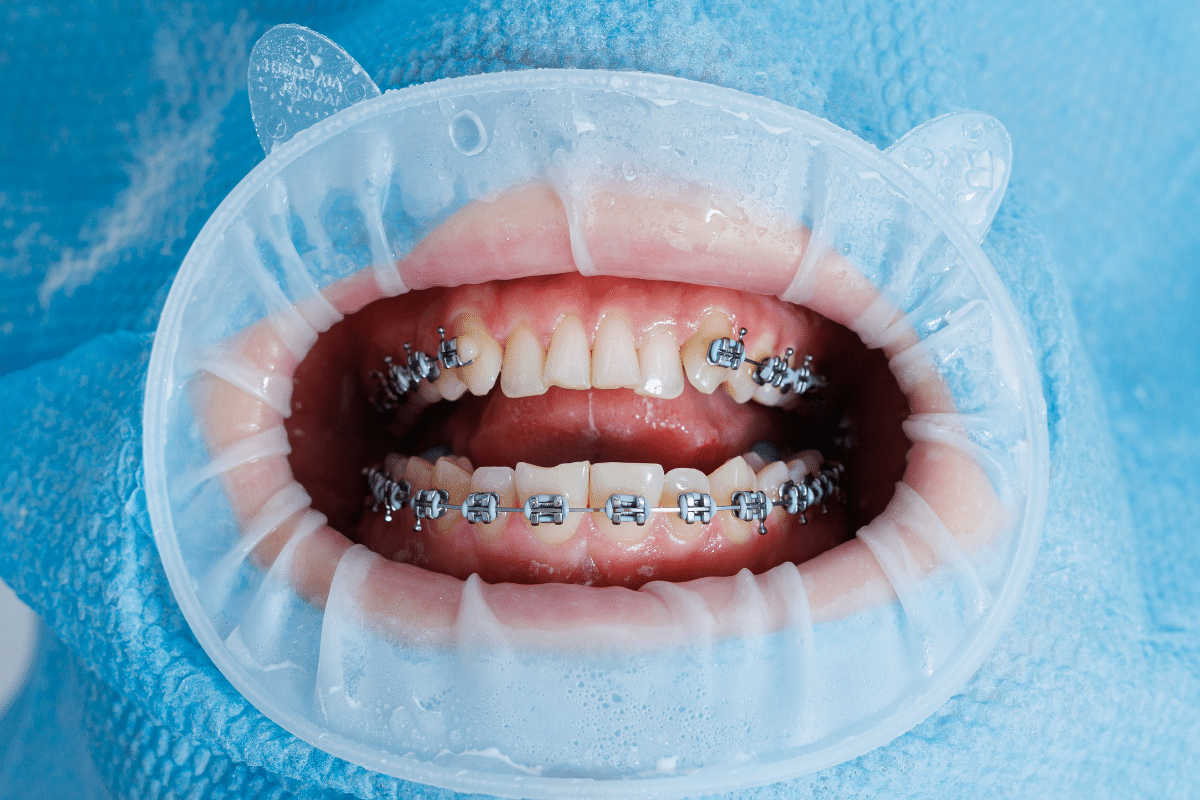
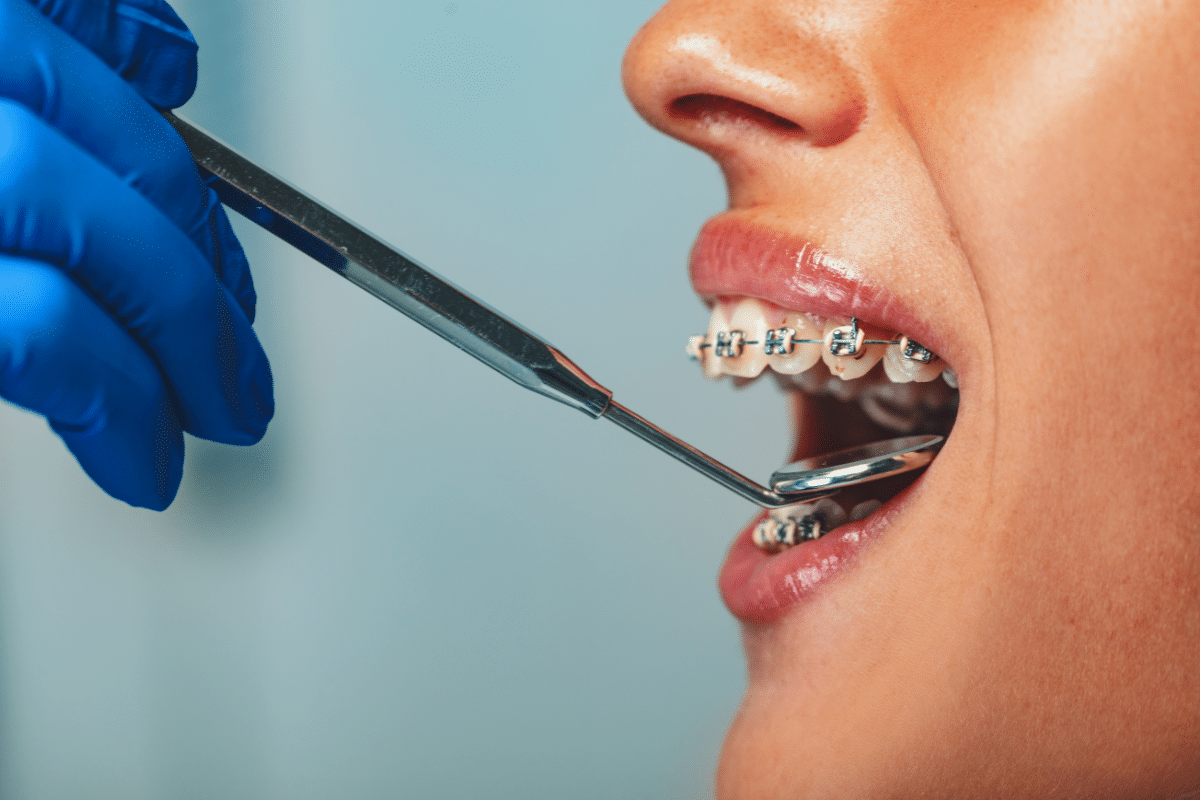
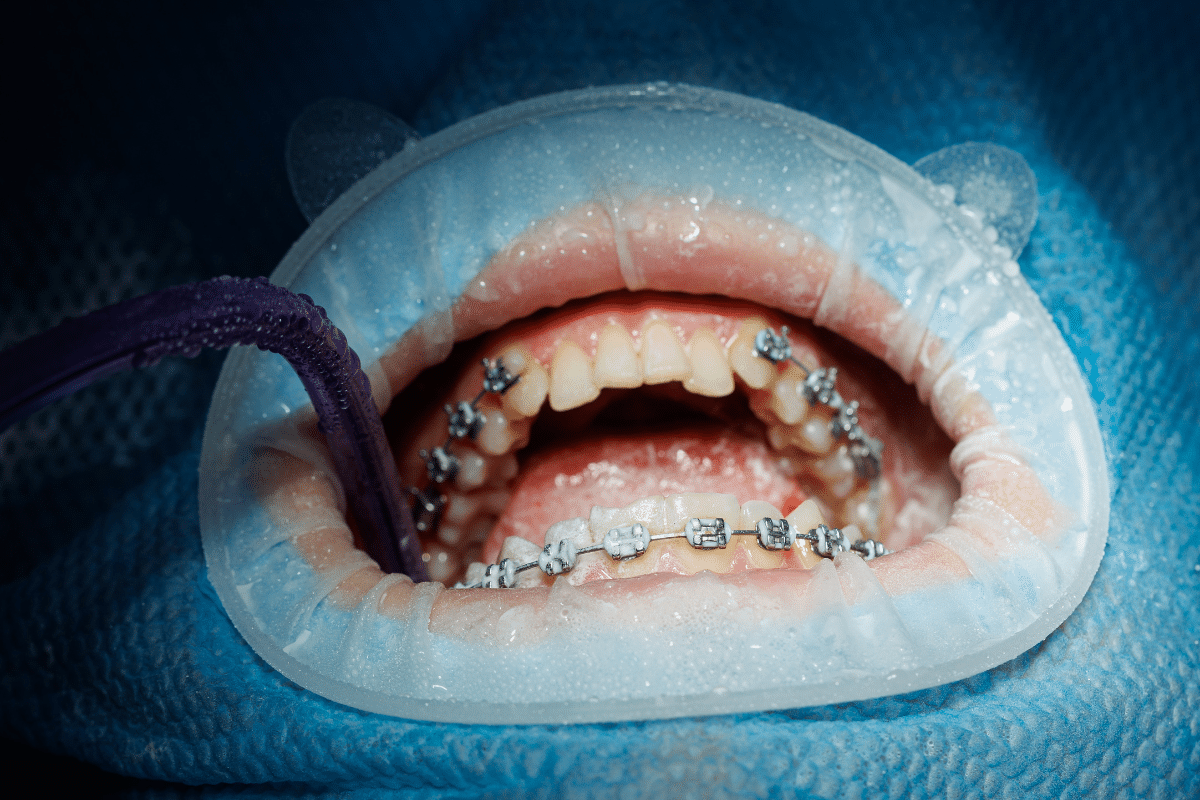
When it comes to teeth straightening, traditional braces have been a tried and true method for decades. These metal brackets and wires may not be as aesthetically pleasing as Invisalign aligners, but they are still highly effective in achieving a beautiful smile.
One of the main benefits of traditional braces is their durability. Made from high-quality stainless steel, these braces can withstand the everyday wear and tear that comes with eating and speaking. They are also less likely to break or crack compared to other orthodontic options.
Another advantage of traditional braces is that they offer precise control over tooth movement. Orthodontists use carefully placed brackets and archwires to gradually shift your teeth into their desired positions. This level of control allows for more complex adjustments, making them suitable for patients with severe misalignment or bite issues.
Although traditional braces require periodic adjustments by an orthodontist, this hands-on approach ensures that progress is monitored closely throughout your treatment journey. Your orthodontist will make necessary tweaks along the way to ensure optimal results.
While some individuals may be hesitant about getting traditional braces due to their visible appearance, modern advancements have made them more comfortable than ever before. Smaller brackets and innovative wire materials contribute to a more pleasant experience overall.
While Invisalign offers convenience and aesthetics, traditional braces remain a reliable option for those seeking comprehensive teeth straightening solutions. With their durability, precision control over tooth movement, regular monitoring by an orthodontist,and improved comfort features – it’s no wonder why many patients still choose traditional braces as their go-to treatment method!
The Bottom Line
When it comes to choosing between Invisalign and traditional braces, there is no one-size-fits-all answer. Both options have their own advantages and considerations that should be taken into account when making a decision.
Invisalign offers the benefit of being nearly invisible, allowing you to straighten your teeth discreetly. The clear aligners are also removable, which means you can easily maintain good oral hygiene and enjoy all your favorite foods without restrictions. However, Invisalign may not be suitable for severe dental issues or complex tooth movements.
On the other hand, traditional braces are highly effective in addressing various orthodontic problems. They provide precise control over tooth movement and can often achieve more significant corrections compared to Invisalign. While they may not offer the same level of aesthetic appeal as Invisalign, advancements in design have made them less noticeable than before.
The choice between Invisalign and traditional braces depends on factors such as your specific dental needs, lifestyle preferences, budget considerations, and professional recommendations from your orthodontist.