Northglenn: 303-872-5970

What You Need to Know Before Choosing Dental Implants?

Are you tired of hiding your smile because of missing teeth? Dental implants may be the solution you’ve been waiting for! Whether you’ve lost a tooth due to decay, injury, or other reasons, dental implants can restore your confidence and oral health. But before jumping into this transformative dental procedure, there are a few essential things you need to know. In this blog post, we’ll explore the different types of dental implants available, how they work, and which option is right for you. So let’s dive in and discover everything you need to know before choosing dental implants!
Types of Dental Implants
When it comes to dental implants, there are a few different types to consider. The most common type is an endosteal implant, which involves placing a titanium screw directly into the jawbone. This serves as the root for your new tooth and provides a stable foundation.
Another option is the subperiosteal implant, which sits on top of the jawbone but beneath the gum line. It is used when there isn’t enough natural bone available for traditional implants.
For those who have lost multiple teeth or even an entire arch, an implant-supported bridge or denture may be recommended. This involves using strategically placed implants to support a bridge or denture that can replace several missing teeth at once.
Mini dental implants are another alternative that may be suitable for certain cases where there isn’t enough space or bone density for traditional implants.
Each type of dental implant has its pros and cons, so it’s crucial to consult with your dentist to determine which option will best meet your needs and goals
What are the Different Types of Dental Implants?
When it comes to dental implants, there isn’t a one-size-fits-all solution. Each person’s oral health needs are unique, and that’s why there are different types of dental implants available. Here, we’ll explore some of the common types:
1. Endosteal Implants: These are the most commonly used type of dental implant. They involve surgically placing titanium posts directly into the jawbone. Once healed, a crown is then attached to each post.
2. Subperiosteal Implants: This type of implant is placed under the gum but above or on top of the jawbone. A metal framework is used to hold the prosthetic tooth in place.
3. All-on-4 Implants: As the name suggests, this technique uses only four implants strategically placed in a patient’s upper or lower arches for full mouth restoration.
4. Mini Dental Implants: These smaller versions can be an option for patients with limited bone structure or those looking for less invasive procedures such as stabilizing dentures.
5. Zygomatic Implants: Reserved for individuals who have severe bone loss in their upper jaws, these implants anchor onto cheekbones instead of relying on traditional jawbone support.
It’s important to consult with an experienced dentist who can assess your specific needs and recommend which type would work best for you.
How Do Dental Implants Work?
Dental implants are a revolutionary solution for replacing missing teeth. But how exactly do they work? Let’s dive in.
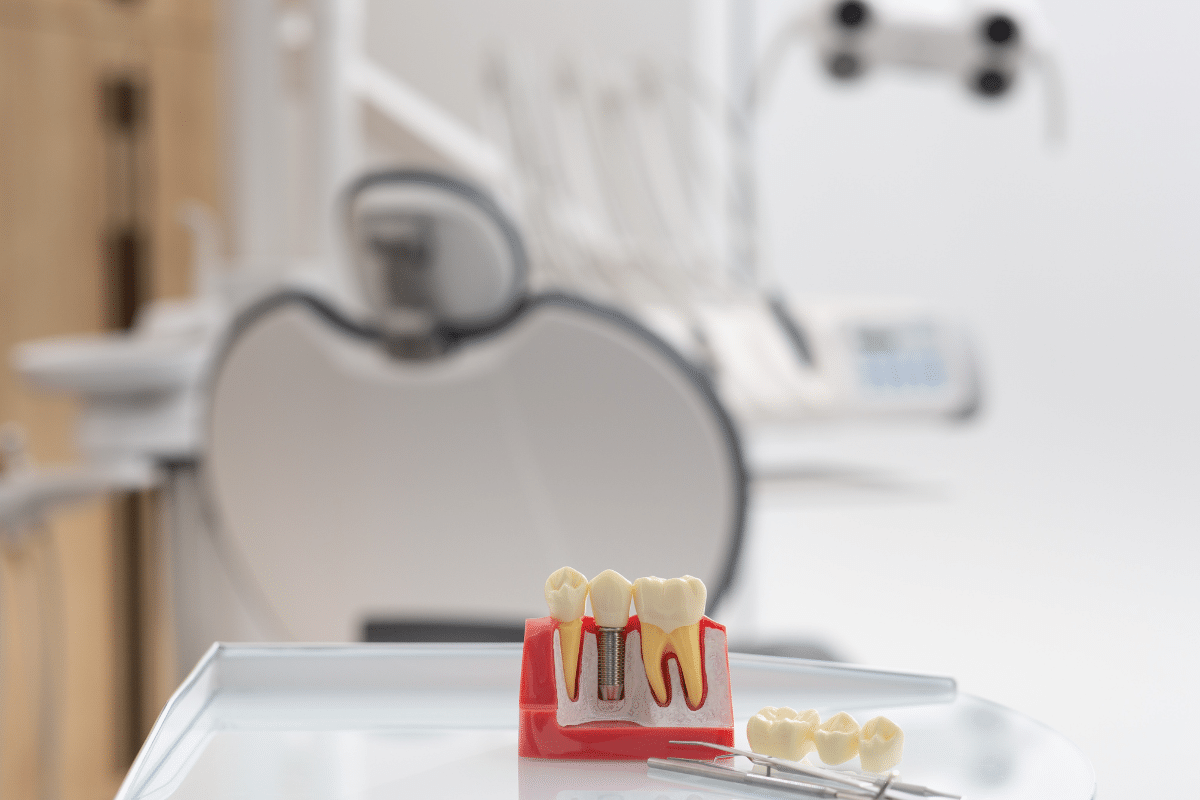
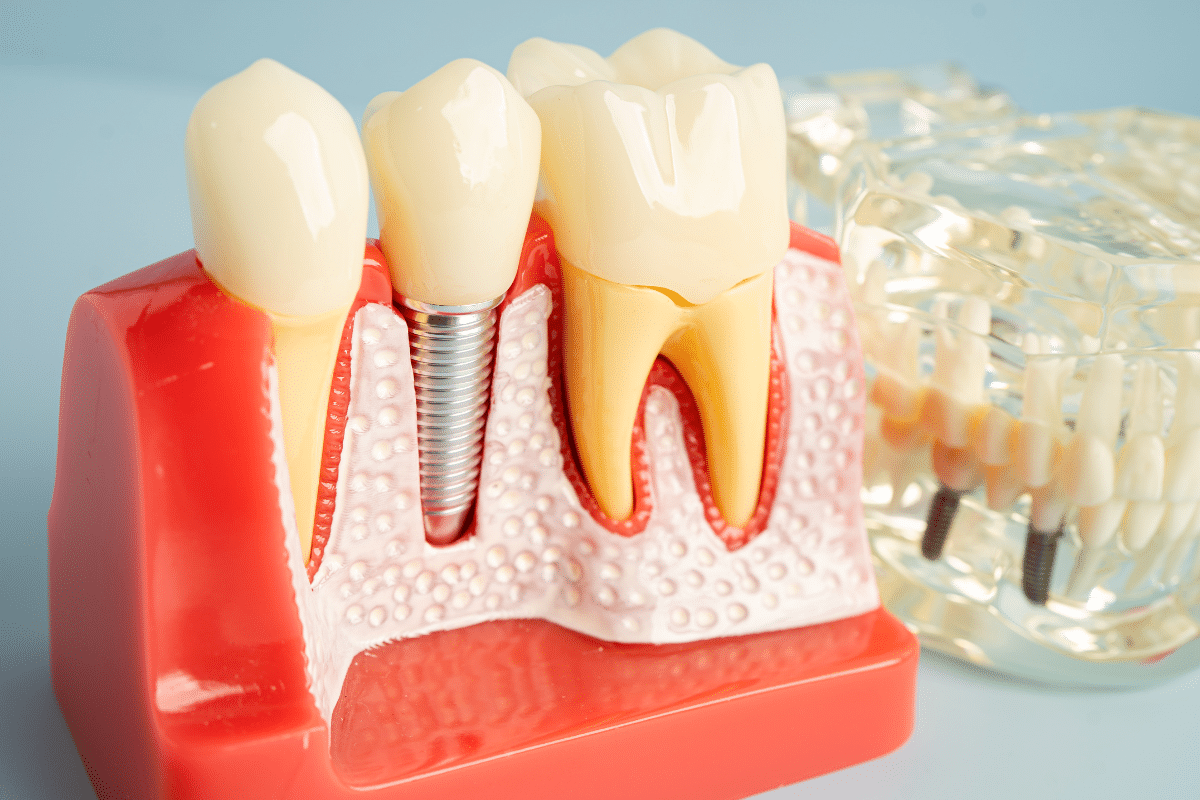
First, it’s important to understand that dental implants consist of three main components: the implant fixture, the abutment, and the prosthetic tooth. The implant fixture is a small titanium screw that is surgically placed into the jawbone. Over time, this screw fuses with the bone through a process called osseointegration.
Once the implant fixture has fully integrated with the bone, an abutment is attached to it. This serves as a connector between the implant and the prosthetic tooth. The abutment allows for customization and ensures a secure fit for the final restoration.
A prosthetic tooth or crown is affixed to the abutment. This crown is designed to match your natural teeth in both appearance and functionality, providing you with a seamless smile.
One of the key benefits of dental implants is their ability to stimulate jawbone growth. When you lose a tooth, your jawbone can start to deteriorate over time due to lack of stimulation from chewing forces. Dental implants help prevent this by mimicking natural teeth roots and preserving bone density.
In addition to restoring aesthetics and function, dental implants also offer long-term durability and stability when properly cared for. They can last for many years or even decades if maintained well through regular oral hygiene practices and routine check-ups with your dentist.
Dental implants provide an effective solution for replacing missing teeth by replicating their natural structure from root to crown a true game-changer in modern dentistry!
What are the Different Types of Dental Implants Used For?
Dental implants are a versatile solution for restoring missing teeth. They can be used to replace a single tooth, multiple teeth, or even support a full set of dentures. The different types of dental implants are designed to cater to specific needs and situations.
Single-tooth implants are the most common type and are used when only one tooth is missing. These implants consist of a titanium post that is surgically placed into the jawbone, acting as an artificial root. A crown is then attached to the implant, providing a natural-looking replacement tooth.
For those with several missing teeth in a row, implant-supported bridges may be recommended. This involves placing two or more implants on either side of the gap and attaching a bridge that spans across them. This option provides stability and prevents bone loss in the area.
In cases where all teeth are missing or need to be extracted, full arch dental implants can provide an effective solution. These involve placing four to six strategically positioned implants in each arch which serve as anchors for a fixed denture or hybrid prosthesis.
Implant-supported dentures offer another alternative for individuals who have lost all their teeth but lack sufficient bone density for traditional implant placement. Mini dental implants can also be used in such cases as they require less bone volume.
Each type of dental implant serves its purpose depending on the patient’s specific needs and oral health condition. It’s crucial to consult with your dentist who will assess your situation and recommend the best course of treatment based on factors like bone quality, budget, aesthetics, and functionality
Should You Get a Fixed or a Removable Denture?
When it comes to choosing between a fixed or removable denture, there are several factors to consider. Each option has its advantages and disadvantages, so it’s important to weigh them carefully before making a decision.
A fixed denture, also known as dental implants, is permanently attached to the jawbone using titanium screws. This provides stability and durability, allowing you to eat and speak with confidence. Fixed dentures also help preserve bone density in the jaw since they stimulate natural bone growth.
On the other hand, removable dentures offer flexibility and convenience. They can be easily removed for cleaning and maintenance. Removable dentures are typically less expensive than dental implants but may require more frequent adjustments over time.
The choice between fixed or removable dentures depends on your specific needs and preferences. If you have healthy gums and enough bone density in your jaw, dental implants may be the right choice for you. However, if your oral health is compromised or if cost is a concern, removable dentures might be a better option.
Consulting with an experienced dentist who specializes in restorative dentistry will help guide you towards the best solution for your individual situation. They will assess your oral health condition thoroughly and discuss all available options with you.
Remember that everyone’s circumstances are unique when it comes to dental care. By considering all aspects of fixed versus removable dentures alongside professional advice from a trusted dentist, you can make an informed decision that suits your needs perfectly
How do I Choose the Right Dentist for My Needs?
Choosing the right dentist for your needs is a crucial decision that can have a significant impact on your oral health. With so many dentists out there, it’s important to do some research and consider several factors before making your choice.
You should consider the qualifications and experience of the dentist. Look for someone who has completed their education from a reputable dental school and has years of experience in the field. This will give you confidence in their ability to provide high-quality care.
Next, take into account the range of services offered by the dentist. Different people have different dental needs, so it’s essential to find a dentist who can cater to those specific requirements. Whether you need routine cleanings and check-ups or more complex procedures like implants or orthodontics, make sure that the dentist offers these services.
Another factor to consider is the location and convenience of the dental practice. It’s much easier to keep up with regular appointments when your dentist is located nearby. Additionally, check if they offer flexible scheduling options that align with your availability.
Additionally, look for reviews or testimonials from other patients about their experiences with different dentists. These insights can provide valuable information about things like bedside manner, communication skills, and overall patient satisfaction.
Don’t forget about financial considerations such as insurance acceptance and payment plans offered by the dental practice. Dental treatments can be costly, so finding a provider who works within your budget is important.
By considering these factors carefully before choosing a dentist for your needs, you’ll be able to make an informed decision that ensures optimal oral health care tailored specifically to you
The Bottom Line
Choosing dental implants is a significant decision that can greatly improve your oral health and overall quality of life. By understanding the different types of dental implants available, how they work, and their various uses, you can make an informed choice that best suits your individual needs.
Whether you opt for a fixed or removable denture will depend on factors such as personal preference, budget constraints, and the condition of your jawbone. Consulting with a skilled dentist who specializes in implant dentistry is essential to ensure you receive personalized care and achieve optimal results.
Remember to thoroughly research potential dentists before making your selection. Look for credentials, experience, patient reviews, and ask for referrals if necessary. A dentist who has successfully performed numerous implant procedures will have the expertise needed to guide you through every step of the process.
Dental implants offer a long-lasting solution for missing teeth that not only restore functionality but also enhance aesthetics. With proper care and maintenance, they can provide a natural-looking smile that boosts confidence and allows you to enjoy life without limitations.
So take charge of your oral health by considering dental implants as an option. Consult with a qualified professional today to begin your journey towards achieving a beautiful smile that lasts a lifetime!