Northglenn: 303-872-5970

Top Benefits of Choosing Dental Implants for Tooth Replacement

When replacing missing teeth, the sheer volume of options can be overwhelming. However, implants have emerged as the gold standard for long-term oral health. In this Denver suburb, patients are increasingly moving away from traditional removable appliances in favor of a dental implant in Westminster, not just for the aesthetics, but for the profound biological advantages they offer.
While most discussions focus on “filling the gap,” the true value of an implant lies in what happens beneath the gum line. Here is a clinical look at why implants are a superior investment for your health, lifestyle, and long-term finances.
1. Preserving the Biological Integrity of Natural Teeth
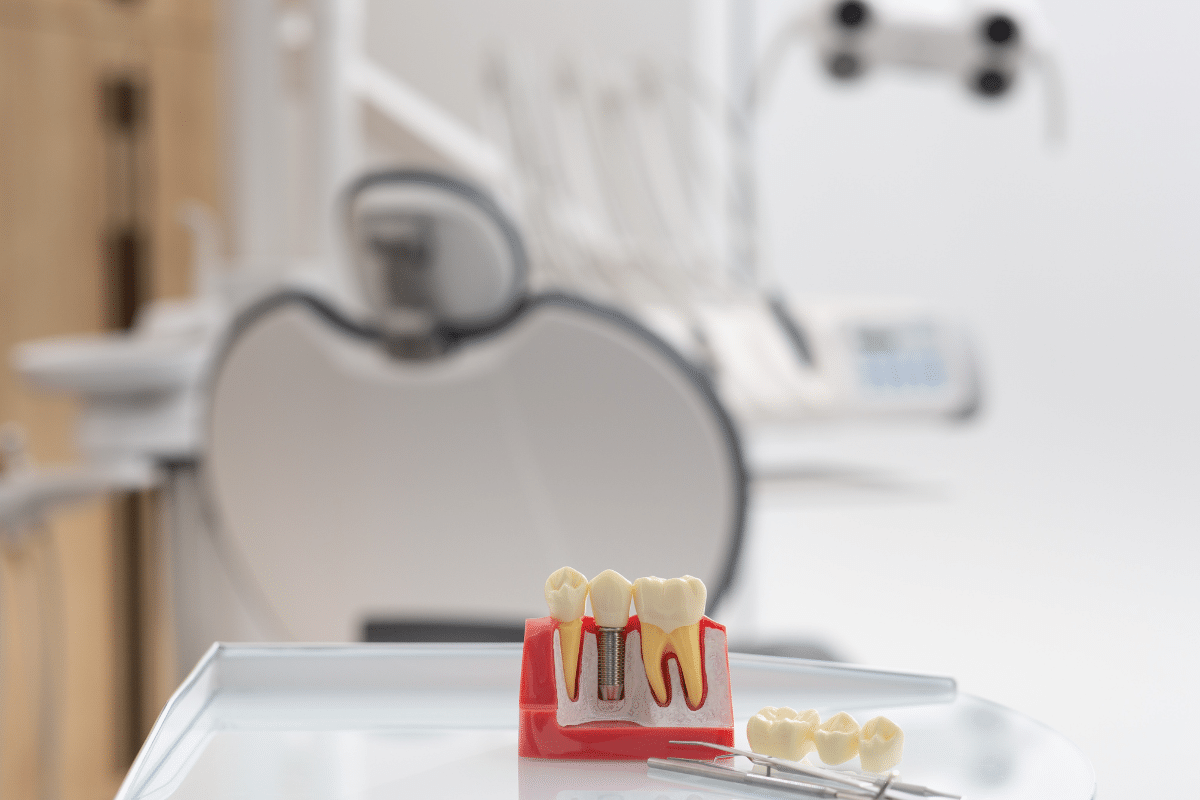
One of the most significant, yet under-discussed, benefits of implants is their “conservative” nature. Traditional dental bridges require the permanent alteration of adjacent healthy teeth to serve as anchors (abutments). This involves removing healthy enamel, which can increase the risk of future decay or sensitivity in those teeth. Dental implants are independent structures. They do not rely on neighboring teeth for support, leaving your natural dentition completely intact and preserving the overall structural balance of your mouth.
2. Preventing “Facial Collapse” Through Bone Stimulation
When a tooth root is lost, the supporting jawbone no longer receives the mechanical stimulation required to maintain its density. This leads to resorption, a process where the bone effectively dissolves over time.
- The Denture Limitation: Bridges and dentures only sit on top of the gums; they do not address bone loss.
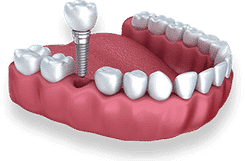
- The Implant Advantage: Implants are made of biocompatible titanium that undergoes osseointegration, physically fusing with your bone.
By mimicking a natural tooth root, implants stimulate bone growth and prevent the “sunken” facial appearance often associated with long-term tooth loss. This preserves your natural jawline and facial aesthetics far more effectively than any surface-level prosthetic.
3. A Lifetime Investment: Analyzing Long-Term ROI
While the initial cost of implant treatment is higher than other alternatives, it is often the most cost-effective solution over a lifetime.
Traditional prosthetics typically require replacement or relining every 5 to 10 years due to wear and changes in bone structure. In contrast, a properly maintained implant is designed to last a lifetime. When you calculate the cumulative costs of adjustments, replacements, and specialized cleaning adhesives required for other options, the one-time investment in an implant provides superior financial and clinical value.
4. Restoring Full Masticatory Force (Chewing Power)
Removable dentures often restore only about 20% to 30% of natural chewing power. This can limit your diet and impact nutritional health. Because implants are anchored directly into the bone, they restore nearly 100% of your natural biting force.
Whether you are enjoying a meal or grabbing a quick bite at a local restaurant, you can eat with total confidence. There is no risk of the appliance “slipping” or clicking, allowing you to maintain a diverse, healthy diet without restriction.
5. Seamless Aesthetic and Phonetic Integration
Modern implant dentistry utilizes high-grade porcelain and zirconia crowns that are custom-matched to the exact translucency and hue of your surrounding teeth. Whether you’re shopping at Westminster Mall or heading to a professional meeting, your restoration will be indistinguishable from a natural tooth.
Furthermore, because implants are fixed, they do not interfere with the movement of the tongue or lips. This eliminates the “slurring” or clicking sounds often associated with bulky removable dentures, ensuring your speech remains clear and natural.
The Hidden Risks of Delay: Why “Waiting and Seeing” Can Be Costly
Many patients consider implants an elective procedure that can be postponed. However, tooth loss is a progressive condition. When a tooth is missing, the surrounding bone begins to atrophy almost immediately, losing up to 25% of its width within the first year.
Delaying treatment often leads to:
- Adjacent Tooth Drift: Without a neighbor to hold them in place, your remaining teeth will begin to tilt and shift into the gap, causing bite misalignment and potential jaw pain (TMJ).
- Increased Complexity: If the bone becomes too thin due to waiting, you may require additional procedures like bone grafting or sinus lifts before an implant can be placed.
- Altered Facial Shape: As bone loss progresses, the distance between the chin and nose can decrease, leading to premature wrinkling around the mouth.
Addressing the gap early not only simplifies the clinical process but also protects the long-term health of your entire mouth, saving you from more invasive and expensive corrective surgeries in the future.
A Permanent Solution for Your Missing Teeth
Choosing a dental implant in Westminster is more than a cosmetic upgrade; it is a commitment to your long-term systemic health and personal confidence. By preventing bone loss and protecting your remaining natural teeth, implants provide a foundation of stability that traditional alternatives simply cannot match.
If you are ready to enjoy a worry-free smile that looks, feels, and functions like the real thing, now is the time to act. Contact our Westminster team today to reclaim your smile’s strength and vitality.
Schedule Your Consultation at Bluebird Family Dentistry
If you are ready to transition from a temporary fix to a permanent solution, our team is here to help. We specialize in precision-placed dental implants designed to last a lifetime. Contact us today to book your Westminster implant evaluation.
Frequently Asked Questions(FAQ’s)
How long is the recovery period for dental implants?
Most patients return to work the next day. While the site may feel tender for 3–5 days, the full process of osseointegration (the bone fusing to the implant) typically takes 3 to 6 months.
Are dental implants successful for everyone?
Dental implants boast a success rate of over 95%. Success depends largely on having sufficient bone density and maintaining good oral hygiene. A consultation involving a 3D CT scan can determine if you are a candidate.
How do I clean a dental implant?
You treat it just like a natural tooth. Regular brushing, flossing, and professional cleanings are all that is required. Because the implant is made of titanium and porcelain, it cannot develop cavities, though gum health remains vital.
Will insurance cover the cost?
Many modern dental insurance plans in Colorado now offer partial coverage for the surgical or restorative phases of implant treatment. We recommend a personalized benefits check to determine your exact out-of-pocket costs.