Northglenn: 303-872-5970

The Ultimate Guide to Preventing Teeth Grinding with Braces

In the journey to a perfect smile, braces play a pivotal role in correcting misalignments and achieving dental harmony. However, one of the challenges individuals face during their orthodontic treatment is teeth grinding, also known as bruxism. This involuntary habit can not only hinder the progress of your braces but also lead to discomfort and potential damage to your teeth. In this comprehensive guide, we delve into effective strategies to prevent teeth grinding while wearing braces, ensuring a smooth orthodontic journey and optimal dental health.
Understanding Bruxism and its Impact on Braces
Bruxism refers to the unconscious clenching or grinding of teeth, often occurring during sleep. While this habit can manifest in individuals without braces, the presence of orthodontic appliances can exacerbate the issue. The pressure exerted by braces can intensify teeth grinding, leading to accelerated wear and tear on both the braces and natural teeth.
Recognizing the Signs of Bruxism
Before delving into prevention techniques, it’s crucial to identify the common indicators of bruxism:
- Increased Tooth Sensitivity: Individuals may experience heightened sensitivity in their teeth, particularly upon waking up in the morning.
- Jaw Pain or Tension: Bruxism often leads to soreness or stiffness in the jaw muscles, indicative of prolonged clenching or grinding.
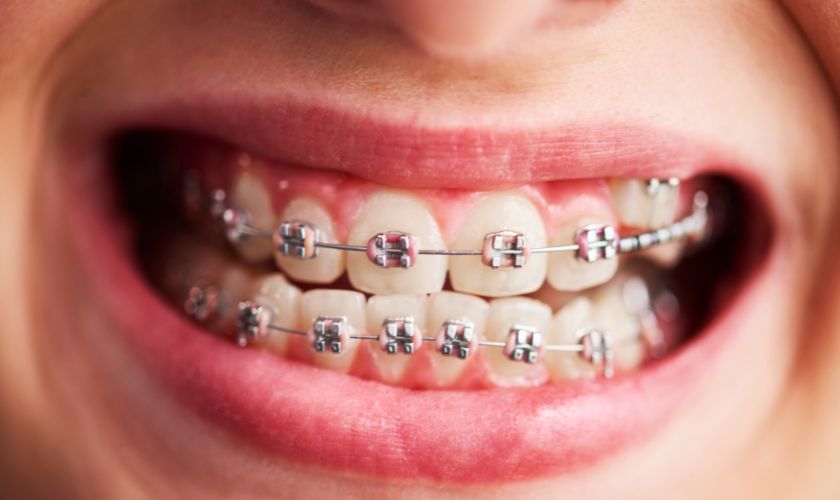
- Visible Wear on Braces: Excessive grinding can cause noticeable damage to braces, such as bent wires or loose brackets.
Strategies for Preventing Teeth Grinding with Braces
1. Wear a Night Guard
A custom-fitted night guard serves as a protective barrier between your upper and lower teeth, minimizing the impact of grinding during sleep. By cushioning the force exerted on your braces and teeth, a night guard helps preserve the integrity of your orthodontic treatment while alleviating discomfort.
2. Practice Stress Management Techniques
Stress and anxiety are common triggers for bruxism. Incorporating relaxation techniques into your daily routine, such as deep breathing exercises, meditation, or yoga, can help reduce tension and minimize the likelihood of teeth grinding.
3. Maintain Proper Oral Hygiene
Regular brushing, flossing, and rinsing with fluoride mouthwash are essential components of oral care, especially for individuals with braces. By keeping your teeth and gums healthy, you can mitigate the effects of bruxism and promote optimal dental hygiene throughout your orthodontic treatment.
4. Adjust Your Diet
Certain foods and beverages, such as caffeine, alcohol, and hard or sticky snacks, can exacerbate teeth grinding. Opting for a well-balanced diet rich in calcium, magnesium, and vitamin D can support overall dental health and reduce the risk of bruxism-related complications.
Consulting Your Dentist in Westminster
While these preventive measures can significantly mitigate the impact of teeth grinding with braces, it’s essential to consult your dentist or orthodontist in Westminster for personalized guidance and treatment recommendations. Your dental professional can assess the severity of your bruxism and tailor a comprehensive approach to address your specific needs, ensuring the success of your orthodontic journey.
By incorporating proactive strategies to prevent teeth grinding with braces, you can safeguard the integrity of your orthodontic treatment and maintain optimal dental health. From wearing a night guard to practicing stress management techniques, adopting these preventive measures empowers you to enjoy a seamless orthodontic experience and achieve the smile of your dreams.