Northglenn: 303-872-5970

Maintaining Your Dental Implants: Tips for Long-Term Success

If you’ve recently undergone the life-changing procedure of getting dental implants, congratulations! You’re now on your way to enjoying a beautiful smile and improved oral health. But as with any investment, it’s important to properly care for and maintain your dental implants to ensure their longevity and effectiveness. In this article, we will explore the basics of dental implants, provide tips for keeping them healthy in the long run, discuss how to deal with any potential problems that may arise, and ultimately help you achieve lasting success with your new teeth. So let’s dive in and discover everything you need to know about maintaining your dental implants!
Understanding the Basics of Dental Implants
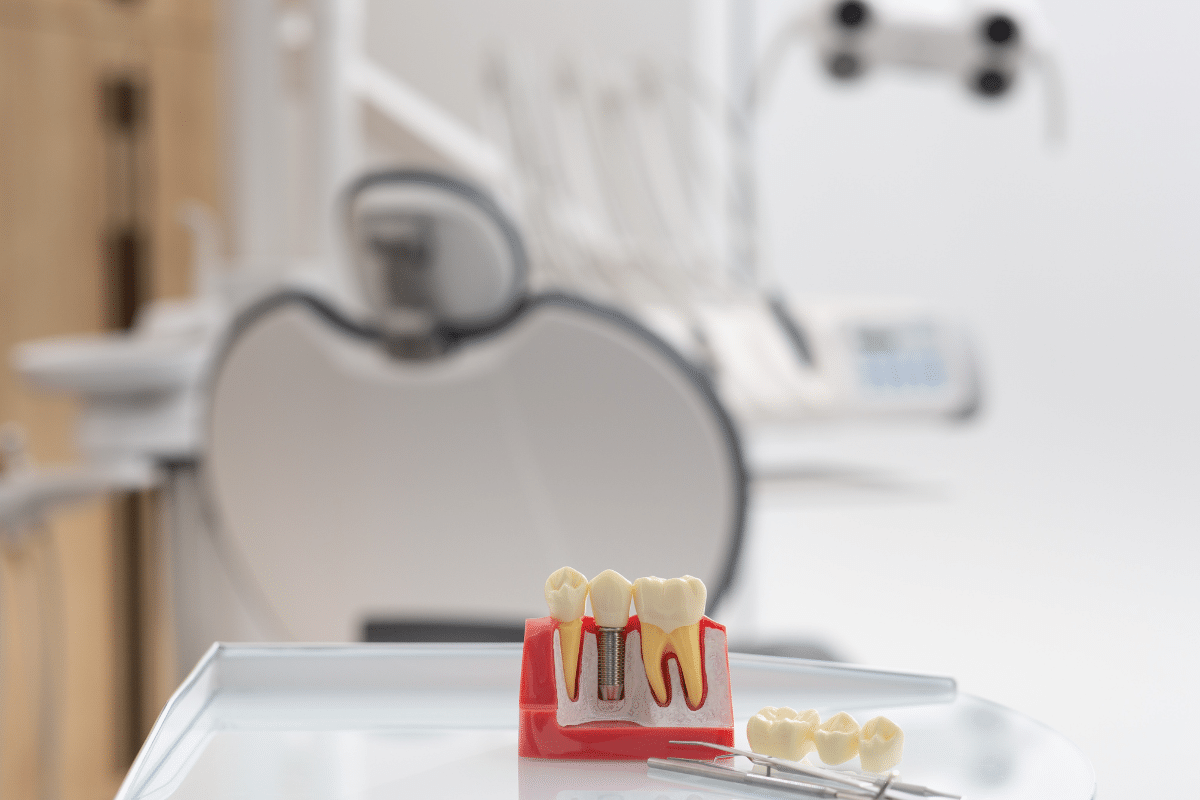
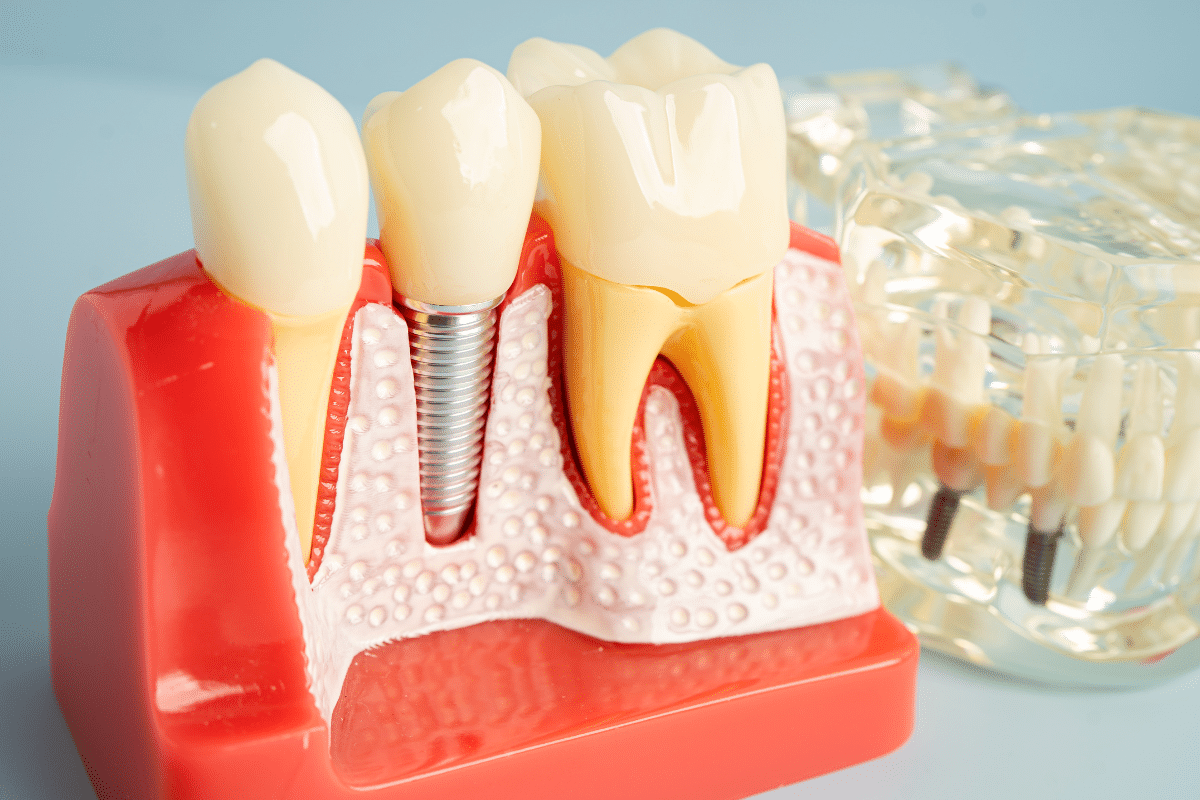
Dental implants are a revolutionary solution for individuals who have lost one or more teeth. Unlike dentures or bridges, which simply sit on the gums or attach to adjacent teeth, dental implants are surgically placed into the jawbone, providing a strong and permanent foundation for replacement teeth.
The implant itself is typically made of titanium, known for its biocompatibility with human bone tissue. This allows the implant to fuse with the jawbone through a process called osseointegration, creating a stable and durable anchor for artificial teeth.
Once the implant has fully integrated with the bone, an abutment is attached to serve as a connector between the implant and the prosthetic tooth. This ensures proper alignment and stability. The final step involves attaching custom-made crowns or bridges to complete your smile restoration.
One of the remarkable benefits of dental implants is their ability to mimic natural teeth both in appearance and function. With proper care and maintenance, they can last a lifetime without compromising neighboring healthy teeth.
It’s important to note that not everyone is an ideal candidate for dental implants. Factors such as overall oral health, gum condition, bone density in the jaw, and lifestyle habits like smoking can all impact eligibility for this procedure. Consulting with your dentist will help determine if you’re suitable for dental implants.
Maintaining Dental Implants in the Long Term
Once you’ve invested in dental implants, it’s important to take care of them properly to ensure their long-term success. After all, these artificial tooth roots are designed to last a lifetime with proper maintenance! So, how can you keep your dental implants healthy and functional for years to come?
First and foremost, regular oral hygiene practices are essential. Brushing twice a day with a soft-bristle toothbrush and using an antibacterial mouthwash will help prevent plaque buildup around your implants. Flossing is equally important – make sure to use floss specifically designed for dental implants or interdental brushes that can reach those hard-to-reach areas.
Besides daily oral care, regular visits to your dentist are crucial. They will monitor the condition of your dental implants and perform professional cleanings as needed. These check-ups also allow your dentist to detect any potential issues early on before they escalate into major problems.
Another key aspect of maintaining dental implants is following a healthy lifestyle. Avoid smoking or chewing tobacco products as they can increase the risk of implant failure due to poor healing and compromised blood flow. Additionally, limit your consumption of sugary foods and drinks since excessive sugar intake can lead to gum disease, which may affect the stability of your implants.
In case you participate in sports or engage in activities where there is a risk of facial trauma, consider wearing a mouthguard or protective gear that can shield your teeth and jaw including the implanted ones from potential damage.
Remember that each individual has unique needs when it comes to maintaining their dental implants. Therefore, it’s vital to always consult with your dentist about any specific instructions regarding cleaning techniques or additional precautions based on factors such as medical conditions or medications you may be taking.
By adopting good oral hygiene habits at home while regularly visiting your dentist for professional care along with making healthier lifestyle choices overall – you’ll greatly enhance the longevity and success rate of your dental implants. Keep up the good work and enjoy the benefits of a confident
Tips to Keep Your Implants Healthy
1. Maintain a Regular Oral Hygiene Routine: Just like your natural teeth, dental implants require regular brushing and flossing to keep them clean and free from bacteria. Use a soft-bristle toothbrush and non-abrasive toothpaste to gently brush around the implant crown and adjacent gumline. Don’t forget to floss daily as well!
2. Avoid Chewing on Hard Foods or Objects: Dental implants are strong, but they’re not indestructible. To prevent damage, avoid chewing on hard foods or using your teeth as tools to open packages or bottles.
3. Quit Smoking: Smoking can have detrimental effects on oral health in general, including an increased risk of implant failure due to impaired healing and reduced blood flow in the gums. If you smoke, quitting is one of the best things you can do for the long-term success of your dental implants.
4. Visit Your Dentist Regularly: Regular check-ups with your dentist are crucial for maintaining the health of your implants. They will assess the condition of your implants, perform professional cleanings, monitor any potential issues, and provide necessary treatments if needed.
5. Be Mindful of Grinding or Clenching Teeth: Bruxism (teeth grinding) can put excessive pressure on both natural teeth and dental implants, leading to complications such as implant loosening or fractures over time. Consider wearing a nightguard while sleeping if you have this habit.
6. Watch What You Eat & Drink: Certain foods and beverages like sticky candies or acidic drinks can erode tooth enamel and potentially damage both natural teeth and dental restorations like crowns on top of implants. Limit consumption of these items for optimal oral health.
7. Take Care Around Sports & Physical Activities: If you participate in contact sports or activities that could potentially injure your mouth area, consider wearing a mouthguard for protection against trauma that may affect dental implants, as well as your natural teeth.
How to Deal with Dental Problems if They Occur
Dealing with dental problems can be a stressful situation, but it’s important to remember that you’re not alone. If you encounter any issues with your dental implants, there are steps you can take to address them and ensure the long-term success of your implant.
If you experience any pain or discomfort around your implant, it’s crucial to contact your dentist immediately. They will be able to evaluate the situation and determine the best course of action. Ignoring the problem could lead to further complications down the line.
In some cases, a loose or damaged crown may need to be replaced. Your dentist will carefully remove the old crown and replace it with a new one that fits properly. This process is usually quick and straightforward.
If there is an infection present in the surrounding gum tissue, your dentist may recommend a deep cleaning procedure called scaling and root planing. This treatment removes plaque and bacteria from beneath the gumline, promoting healing and preventing further damage.
Sometimes, bone loss around the implant site can occur due to factors like infection or poor oral hygiene. In such cases, a bone grafting procedure may be necessary to rebuild lost bone mass before replacing the crown.
Remember that prevention is key when it comes to maintaining healthy dental implants. Follow good oral hygiene practices such as brushing twice daily with a soft-bristle toothbrush and flossing regularly.
By staying proactive about your dental health and seeking prompt professional care when needed, you can effectively deal with any potential problems that may arise with your dental implants while ensuring their long-term success!
The Bottom Line
Maintaining your dental implants is crucial for long-term success and overall oral health. By understanding the basics of dental implants and following these tips, you can keep your implants healthy and avoid potential problems.
Regular oral hygiene practices such as brushing twice a day with a soft-bristled toothbrush, flossing daily, and using an antimicrobial mouthwash will help prevent plaque buildup around your implants. Additionally, visiting your dentist regularly for professional cleanings and check-ups is essential in detecting any issues early on.
A balanced diet that includes plenty of fruits, vegetables, lean proteins, and calcium-rich foods will provide the necessary nutrients to support optimal implant health. Avoiding habits like smoking or excessive alcohol consumption can also contribute to maintaining the longevity of your dental implants.
If you experience any discomfort or notice changes in the appearance or function of your dental implants, it’s crucial to seek prompt professional attention. Your dentist will be able to assess the situation accurately and recommend appropriate treatment options to address any potential problems before they escalate.