Northglenn: 303-872-5970

Your Crown Just Fell Out: What to Do Right Now
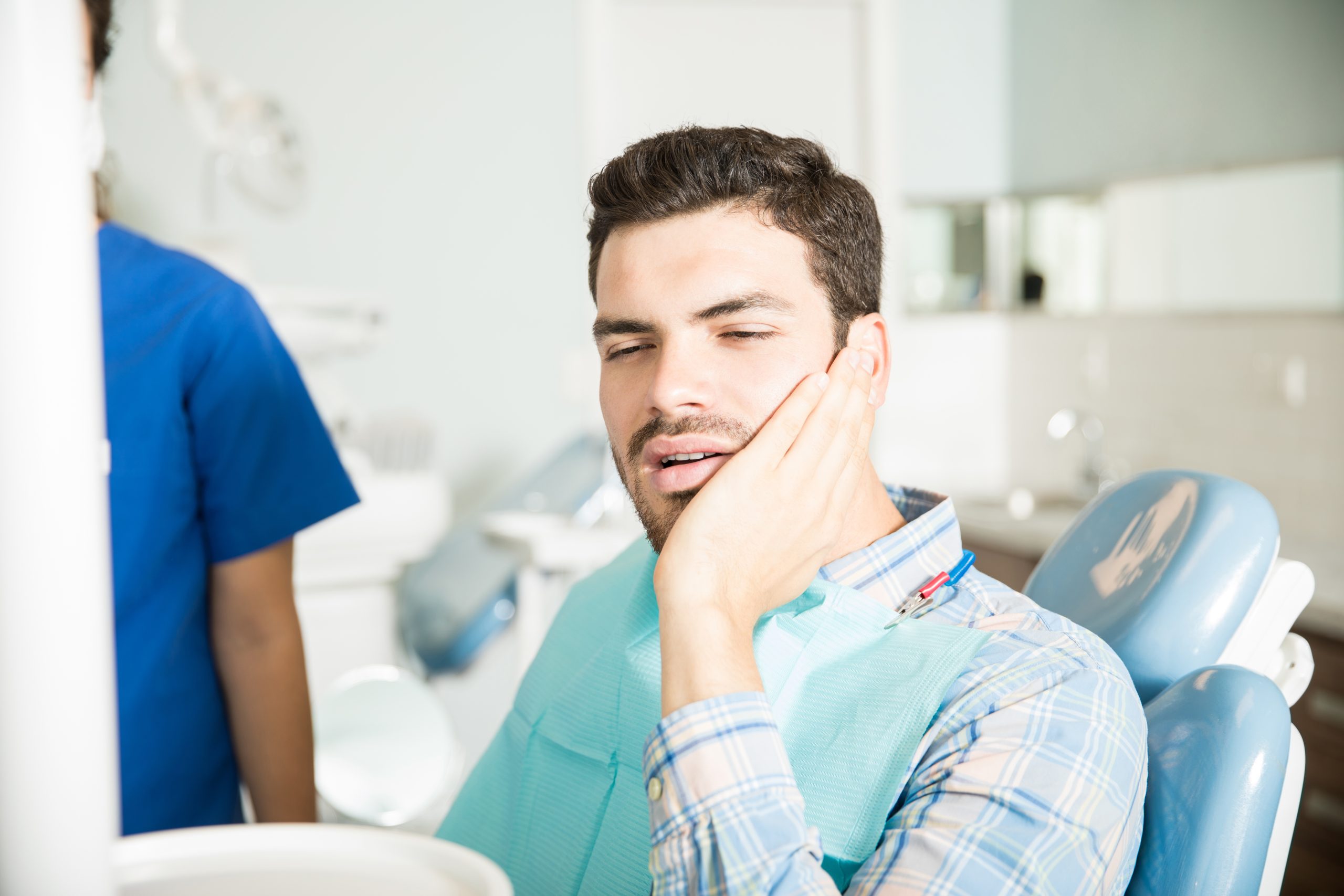
It happens without warning. You bite into something, feel a strange shift, and suddenly realize your crown is no longer where it should be. If your crown just fell out and you’re in Westminster, CO, you’re probably wondering what to do right now. The good news is that a lost crown is a manageable situation — as long as you act quickly and avoid a few common mistakes.
At Bluebird Family Dentistry & Orthodontics, Dr. Tristan Collins and our team see this kind of dental emergency regularly. This guide will walk you through exactly what to do, what to avoid, and when you need to come in right away for Emergency Dental Care Westminster.
Why a Fallen Crown Is a Dental Emergency in Westminster
A dental crown protects the tooth structure underneath it. Without that protection, the exposed tooth becomes vulnerable to bacteria, pressure, and pain. The underlying tooth may already be weakened from decay or a root canal. Leaving it exposed — even for a day or two — can lead to more serious damage.
Temperature sensitivity is one of the first things patients notice. Hot coffee or cold water can suddenly feel unbearable on an unprotected tooth. This is your body telling you the tooth needs coverage fast. Don’t ignore it or assume it will pass on its own.
In some cases, a lost crown also creates a sharp edge that irritates your tongue or cheek. That discomfort adds up quickly. Acting promptly reduces both pain and the risk of needing more extensive treatment later.
What to Do Right Now — Step by Step
The moment your crown comes out, stay calm and follow these steps. Most people have everything they need at home to manage the situation temporarily.
- Find the crown. Carefully retrieve it if you can. Rinse it gently with warm water and store it in a small container or zip-lock bag.
- Rinse your mouth. Use warm salt water to clean the exposed area and reduce bacteria.
- Inspect the crown. Check whether it looks intact. If it broke, do not try to force it back on.
- Apply temporary dental cement. Products like Dentemp are available at most pharmacies. They can hold the crown in place temporarily until your appointment.
- Avoid sticky or hard foods. Don’t chew on the affected side until you’ve seen a dentist.
- Call your dentist immediately. A lost crown is an urgent situation — don’t wait several days to schedule an appointment.
Temporary cement is not a permanent fix. It buys you time, but the tooth still needs professional attention as soon as possible. The sooner you get in, the better your chances of simply re-cementing the original crown.
What Makes It Worse — Common Mistakes to Avoid
Some patients make the situation harder to fix without realizing it. Knowing what not to do is just as important as knowing what to do.
- Using super glue. Never use household adhesive on a dental crown. It is toxic and can permanently damage both the crown and the tooth.
- Ignoring the pain. Sensitivity or aching is a sign the tooth needs attention. Pain relievers can help short-term, but they do not fix the underlying problem.
- Eating normally. Chewing on an unprotected tooth can crack or fracture it further. Stick to soft foods and chew on the opposite side.
- Waiting too long. Delays increase bacterial exposure and can turn a simple re-cementation into a more involved procedure.
- Swallowing the crown. If you think you swallowed it, don’t panic — but do mention it to your dentist and monitor for any discomfort.
One of the most common mistakes is assuming the tooth feels fine, so it must be fine. A tooth that has lost its crown may feel numb or pressure-free at first. That does not mean the risk has passed. Get it examined regardless of your current pain level.
What Happens at Your Emergency Appointment
When you come into Bluebird Family Dentistry & Orthodontics, Dr. Collins will assess the tooth and the crown carefully. The goal is always to save the original crown if possible. Re-cementing is a straightforward procedure when the crown is undamaged and the tooth beneath it is healthy.
If the crown is broken or the tooth has developed decay or damage underneath, a new crown may be needed. Dr. Collins will take X-rays to evaluate the full picture. You will know your options before any treatment begins — nothing happens without your understanding and agreement.
In some situations, significant tooth loss may make a crown no longer viable. If the tooth cannot be saved, options like Dental Implants Westminster can restore both function and appearance long-term. Dr. Collins will walk you through every option clearly so you can make a confident decision.
How to Prevent This From Happening Again
Once your crown is back in place, a few habits can help it last much longer. Most crowns fail for preventable reasons. Understanding them helps you protect your investment.
Grinding your teeth at night is one of the top causes of crown failure. If you grind, ask Dr. Collins about a custom nightguard. It takes pressure off your crowns and natural teeth alike. Many patients are surprised to learn they grind at all — it often happens during sleep.
Sticky foods like caramel, taffy, and hard candies are common culprits too. They pull at crowns with repeated force. Cutting back on these foods extends the life of dental restorations significantly. It is a simple change with a real impact.
Regular checkups at Bluebird Family Dentistry & Orthodontics also play a role. Dr. Collins checks the integrity of existing restorations at every exam. Catching a weakened crown before it falls out is always better than dealing with an emergency after the fact.
Frequently Asked Questions
Can I put my crown back on myself at home?
You can use temporary dental cement from a pharmacy to hold it in place short-term. Products like Dentemp are safe and widely available. However, this is not a permanent solution. You still need to see a dentist as soon as possible to have it properly re-cemented or replaced.
Will it hurt when my crown falls out?
It varies from person to person. Some patients feel immediate sensitivity to heat, cold, or pressure. Others feel little to no pain at first. Either way, the exposed tooth is vulnerable to damage and bacteria. Do not let the absence of pain convince you to delay treatment.
What if my crown broke when it came out?
Bring the pieces to your appointment regardless. Dr. Collins will assess whether a repair is possible or whether a new crown is needed. Do not try to glue the pieces together yourself. A broken crown almost always needs to be remade to ensure a proper, safe fit.
How long can I leave an exposed tooth without a crown?
As little time as possible. Even 24 to 48 hours of exposure increases the risk of bacteria entering the tooth, decay progressing, and the tooth cracking under normal chewing pressure. Treat a lost crown as a dental emergency and call for an appointment the same day if you can.
Is a lost crown always fixable without replacing the whole tooth?
In many cases, yes. If the crown is intact and the tooth underneath is healthy, re-cementation is quick and straightforward. If there is underlying damage or decay, a new crown or other restoration may be needed. In rare cases where the tooth cannot be saved, Dr. Collins will discuss options like dental implants to restore full function.
Losing a crown is stressful, but it does not have to become a bigger problem. Act fast, avoid the common mistakes, and let Dr. Tristan Collins and the Bluebird Family Dentistry & Orthodontics team take care of you. Book Now to schedule your appointment with our team.