Northglenn: 303-872-5970

How Regular Dental Care Supports a Healthier, Brighter Smile
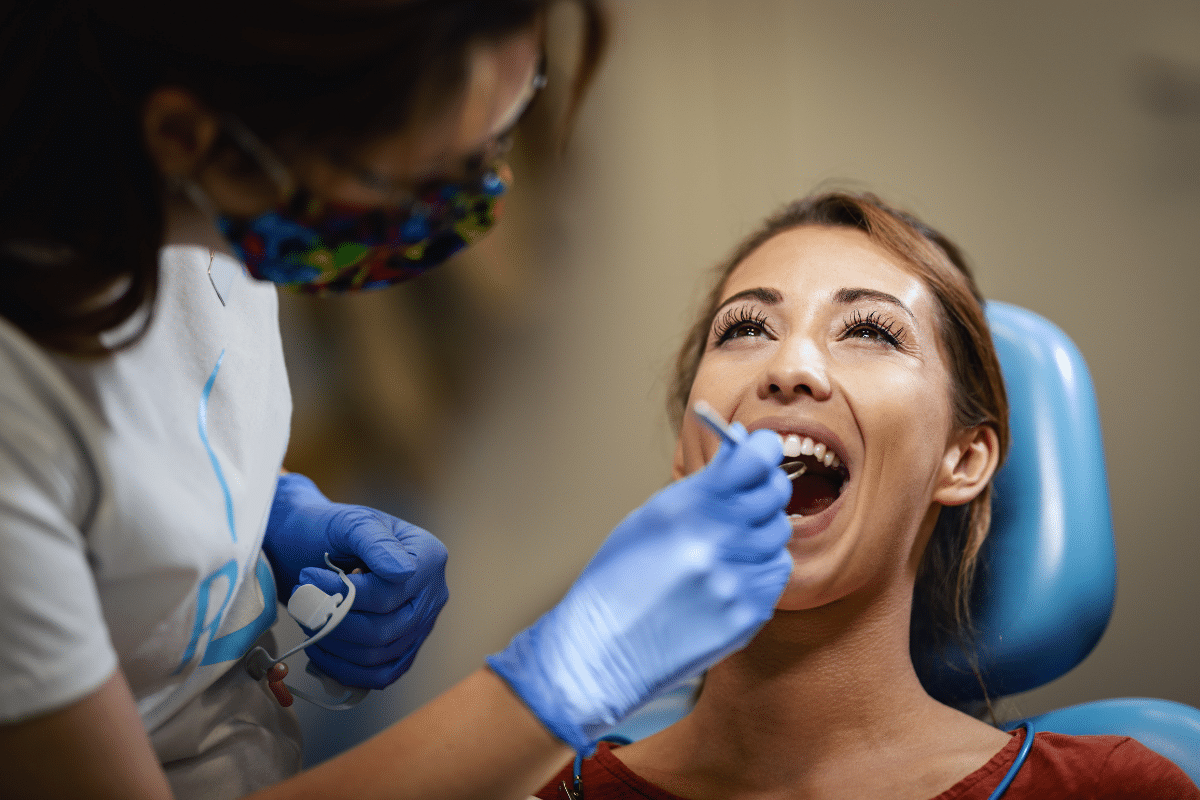
A healthy, bright smile is rarely the result of one dental treatment. It develops through consistent daily hygiene, routine professional care, and early attention to changes in your teeth and gums. Even when your mouth feels completely normal, problems such as early tooth decay or gum inflammation can begin without causing noticeable discomfort.
Regular dental care gives your dental team opportunities to monitor your oral health, remove buildup that brushing cannot fully address, and identify concerns before they become more complicated. It also supports the appearance of your smile by reducing surface buildup and helping your teeth and gums stay clean and healthy.
At Bluebird Family Dentistry & Orthodontics, Dr. Tristan Collins and our dental team help patients maintain their oral health through preventive and routine dental care. We believe consistent care, combined with effective habits at home, provides a strong foundation for keeping your natural smile healthy throughout life.
What Does Regular Dental Care Include?
Routine dental care focuses on prevention, early detection, and maintenance. Instead of waiting until a tooth hurts, preventive dental care helps identify changes while treatment may still be simpler and more conservative.
Depending on your oral health needs, regular dental visits may include:
- A comprehensive examination of your teeth and gums
- Professional teeth cleaning
- Dental X-rays when clinically appropriate
- Evaluation for cavities and damaged teeth
- Gum health assessment
- Oral hygiene guidance
- Evaluation of existing fillings, crowns, or other restorations
- Discussion of any pain, sensitivity, or changes you have noticed
The frequency and specific components of your appointments can vary according to your age, dental history, gum health, cavity risk, and existing dental conditions.
Why Are Regular Dental Checkups Important?
Many dental conditions develop gradually. A cavity can begin before you experience a toothache. Gum disease can progress while producing only minor bleeding or tenderness. A filling or crown may also develop a problem before it becomes uncomfortable.
Routine examinations allow us to look for subtle changes that patients may not notice at home.
During an examination, your dental professional may assess:
- Tooth enamel for signs of decay
- Gums for inflammation or periodontal concerns
- Existing restorations for wear or damage
- Your bite and tooth alignment
- Areas of unusual sensitivity
- Changes affecting the soft tissues of your mouth
If a concern is detected, we can discuss what it means and whether monitoring or treatment is appropriate.
For patients looking for a dentist in Northglenn, regular examinations can provide an important baseline for tracking changes in oral health over time.
Professional Cleanings Reach Areas Your Toothbrush May Miss
Brushing twice daily and flossing are essential, but home care cannot always remove every deposit from your teeth.
Plaque is a sticky bacterial film that continuously develops on tooth surfaces. When plaque is not adequately removed, it can harden into tartar, also called dental calculus. Once tartar develops, regular brushing cannot reliably remove it.
Professional dental cleanings are designed to remove plaque and tartar from areas such as:
- Along the gumline
- Between teeth
- Around crowded teeth
- Behind the back molars
- Around certain dental restorations
Your dental hygienist can also point out areas where buildup repeatedly develops and recommend ways to improve your brushing or flossing technique.
How Routine Care Helps Prevent Cavities
Tooth decay develops when bacteria in dental plaque interact with sugars and carbohydrates, producing acids that can gradually weaken tooth enamel.
Several factors can affect cavity risk, including frequent sugary snacks, inadequate brushing, dry mouth, previous decay, and certain medical or dental circumstances.
Preventive dental care helps us identify areas of weakened enamel or early decay. When problems are detected early, there may be more opportunities to protect the tooth before significant damage occurs.
At home, you can further reduce your cavity risk by:
- Brushing twice daily with fluoride toothpaste
- Cleaning between your teeth every day
- Limiting frequent sugary foods and beverages
- Drinking water regularly
- Attending recommended dental appointments
Prevention is a partnership between what happens in the dental office and what you do every day at home.
Healthy Gums Are Essential for a Healthy Smile
A bright smile depends on more than healthy teeth. Your gums provide essential support for your teeth and deserve the same level of attention.
Plaque accumulating around the gumline can contribute to gingivitis, the earliest stage of gum disease. Common warning signs include redness, swelling, tenderness, bleeding during brushing or flossing, and persistent bad breath.
Gingivitis may be reversible when plaque is controlled, and effective oral hygiene is restored. If gum disease progresses, however, it can affect the tissues and bone supporting your teeth.
That is one reason regular visits with a dentist in Northglenn matter even when you do not have tooth pain. Your dental team can evaluate your gum health and identify changes that may otherwise be easy to overlook.
Can Regular Dental Cleanings Make Your Smile Look Brighter?
Professional cleanings are primarily performed for oral health, but they can also improve the clean appearance of your smile.
Certain foods, beverages, and habits can leave surface stains on teeth. Coffee, tea, dark-colored beverages, and tobacco are common examples. Plaque and tartar can also make teeth appear dull or uneven.
Professional cleaning and polishing can remove some external surface stains along with plaque and tartar. However, a routine cleaning is different from professional teeth whitening.
If tooth color remains a concern after your cleaning, ask your dental practitioner whether a cosmetic whitening option may be appropriate.
Dental X-Rays Can Reveal Problems You Cannot See
Not every oral health problem is visible during a clinical examination. Dental X-rays provide additional information about teeth, roots, supporting bone, and areas between teeth.
Depending on your individual needs, X-rays may help identify:
- Decay between teeth
- Problems below existing restorations
- Changes around tooth roots
- Bone loss
- Impacted or developing teeth
- Other abnormalities that require further evaluation
X-rays are not necessarily required at every appointment. Your dental practitioner determines when they are appropriate based on your oral health, age, history, symptoms, and risk factors.
How Often Should You Seek Professional Dental Care?
You may have heard that everyone should visit the dentist every six months. That schedule is appropriate for many patients, but dental care should ultimately reflect individual risk.
Some patients may benefit from more frequent appointments because of gum disease, recurring cavities, orthodontic treatment, dry mouth, certain health factors, or difficulty controlling plaque.
Others may have different recall intervals based on their dental history.
Dr. Tristan Collins recommends viewing your recall schedule as part of your individual preventive plan rather than assuming the same schedule applies to everyone. Following the interval recommended after your examination helps us monitor changes and respond when necessary.
Daily Habits Make Professional Dental Care More Effective
Professional dental care works most effectively when it is supported by consistent oral hygiene at home.
Brush Thoroughly Twice a Day
Use a soft-bristled toothbrush and fluoride toothpaste. Brush all tooth surfaces carefully, including near the gumline, where plaque commonly accumulates.
Clean Between Your Teeth Daily
A toothbrush cannot adequately clean every space between teeth. Dental floss, interdental brushes, or another dentist-recommended device can help remove plaque from these areas.
Watch How Often You Consume Sugar
The frequency of sugar exposure matters. Constant snacking or sipping sugary beverages gives cavity-causing bacteria repeated opportunities to produce acids.
Drink Plenty of Water
Water helps rinse away food particles and supports normal saliva function. If your local water contains fluoride, it may provide an additional preventive benefit.
Avoid Using Teeth as Tools
Opening packages, biting fingernails, or chewing ice can place unnecessary stress on teeth and restorations.
These straightforward habits can make a meaningful difference when practiced consistently.
Do Not Wait for Pain Before Scheduling Dental Care
One of the most common misconceptions about dentistry is that an appointment is only necessary when something hurts.
Pain often indicates that a condition has already progressed. Dental decay, early gum disease, and failing restorations may produce few noticeable symptoms initially.
Schedule an evaluation if you notice:
- Persistent tooth sensitivity
- Bleeding or swollen gums
- A chipped or cracked tooth
- Pain while biting
- Persistent bad breath
- A loose filling or crown
- Changes in tooth color
- A sore or unusual area in your mouth that does not resolve
- Jaw discomfort or changes in your bite
Even without symptoms, maintaining your recommended preventive appointments remains important.
Why Consistency Matters for Long-Term Oral Health
Oral health changes throughout life. Teeth experience years of biting and chewing. Restorations can wear. Gum health can change, and medications or health conditions may affect saliva production and cavity risk.
Routine dental appointments create continuity.
Instead of examining your mouth only when a problem occurs, your dental team can compare findings over time. This ongoing record can make subtle changes easier to identify.
For families seeking a dentist in Northglenn, having an established dental home also means children and adults can develop consistent preventive habits and have a familiar place to turn when questions or dental concerns arise.
Regular Dental Care Supports More Than Appearance
It is natural to associate dental care with having attractive teeth, but preventive dentistry has a broader purpose.
Healthy teeth help you bite and chew comfortably. Healthy gums support your teeth. Addressing problems early may help preserve more natural tooth structure and reduce the likelihood that a small concern develops into something requiring more extensive care.
Regular appointments also provide an opportunity to ask questions about sensitivity, brushing techniques, flossing, diet, restorations, cosmetic concerns, or changes you have noticed.
Our goal is not simply to treat dental disease. We want patients to understand their oral health and have practical information they can use between appointments.
Build a Healthier Smile With Routine Dental Care in Northglenn, CO
A healthier, brighter smile starts with consistency. Daily brushing and interdental cleaning provide the foundation, while professional examinations and cleanings help address the areas that home care alone cannot manage.
At Bluebird Family Dentistry & Orthodontics, we provide routine dental care for individuals and families in Northglenn and surrounding communities. If it has been a while since your last dental examination or cleaning, visiting a dentist in Northglenn can help you understand your current oral health and determine the appropriate next steps.
Schedule your appointment with Bluebird Family Dentistry & Orthodontics today and take another step toward maintaining a healthy, confident smile.