Northglenn: 303-872-5970

The Ultimate Guide to Restoring Missing Teeth with Dental Implant Treatment

You may not notice the effects of missing teeth right away. At first, it feels manageable. You chew differently, avoid certain foods, or smile a little less in photos. But over time, missing teeth can affect far more than appearance. Bone loss can begin beneath the gums, nearby teeth may shift, and uneven pressure across the mouth can place added strain on healthy teeth and jaw joints. Even speaking clearly can become more difficult as gaps change the way the tongue and teeth work together.
That is why many adults today are choosing long-term restorative solutions instead of temporary replacements. A dental implant in Westminster is made to restore more than a visible gap. It helps support bite stability, preserves jawbone health, and allows patients to eat, speak, and smile with greater confidence. For people living active lifestyles in Westminster, having a tooth replacement that feels secure and natural during everyday moments matters more than ever.
Why Does One Missing Tooth Affect The Entire Mouth?
Many people assume a single missing tooth is only a cosmetic issue. In reality, your mouth works as a connected system. When a tooth disappears, the surrounding structures begin to compensate immediately.
Your natural tooth roots stimulate the jawbone every time you chew. Once a tooth is gone, that stimulation stops. The body responds by gradually breaking down bone tissue in that area because it no longer sees the bone as necessary for support.
This process is called bone resorption, and it can begin surprisingly fast.
As the bone weakens, nearby teeth may begin drifting into the open space. That movement affects bite alignment and chewing balance. Some people even begin experiencing jaw tension because the mouth is no longer distributing pressure evenly.
This explains why patients often report symptoms they never connected to tooth loss, including:• Difficulty chewing tougher foods
• Jaw soreness after meals
• Increased food trapping between teeth
• Changes in speech clarity
• Greater tooth sensitivity nearby
These problems rarely improve on their own. In many cases, they slowly become more noticeable over time.
Why Are Implants Different From Traditional Tooth Replacement?
Older replacement methods mainly focused on appearance. Modern dentistry focuses on rebuilding the function of the missing tooth from the root upward.
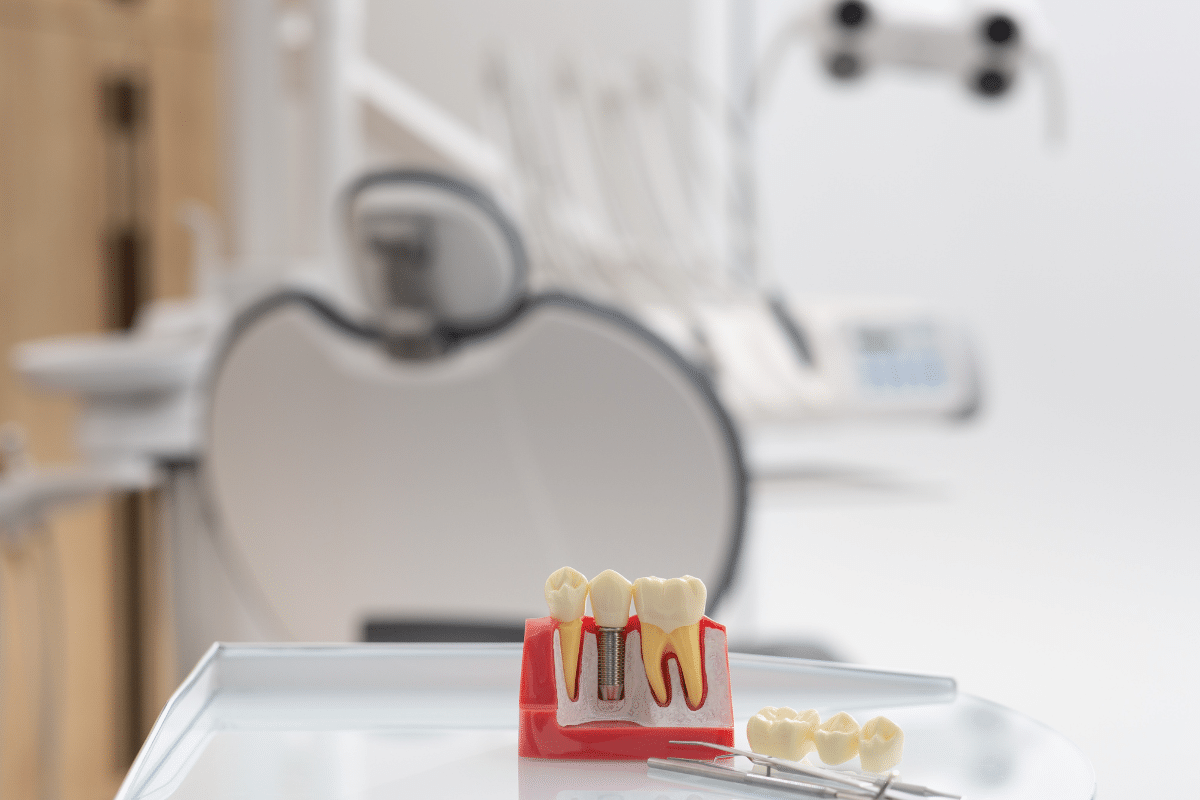
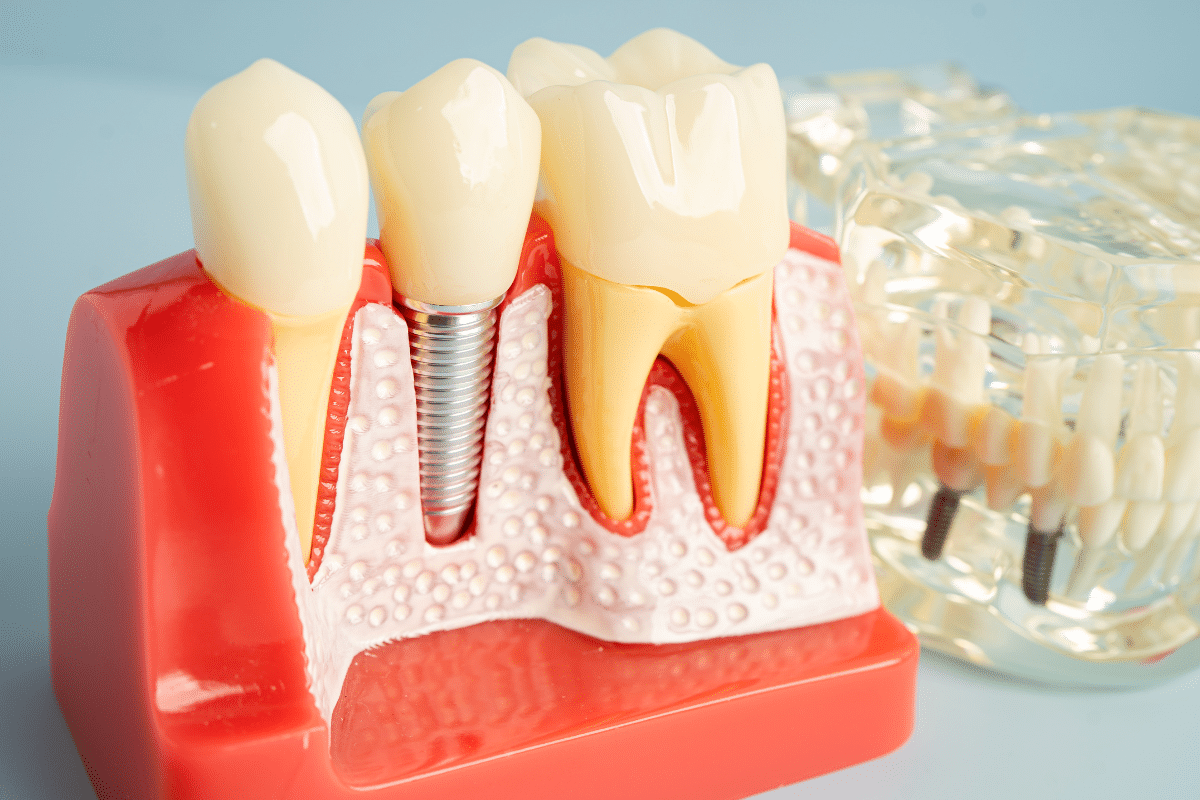
Today’s restorations use a titanium post that is placed directly into the jawbone. Titanium works extremely well because the bone naturally bonds around it during healing. This biological process is called osseointegration, and it creates a strong, stable foundation beneath the gums.
Once healing is complete, a custom-crafted crown is attached to the post. The final result is designed to look, feel, and function similarly to a natural tooth.
This matters because stability changes everything.
Instead of worrying about movement while eating or speaking, patients can typically return to normal daily activities with greater comfort and confidence. Many adults are surprised by how natural modern restorations feel once fully healed.
That is one reason permanent tooth replacement is becoming increasingly common among adults seeking long-term solutions rather than temporary fixes.
Could Bone Loss Already Be Happening Without You Knowing?
Yes, and this is one of the most important reasons people should not delay treatment unnecessarily.
Bone deterioration often develops silently. Most patients do not feel pain while the jawbone changes beneath the gums. In fact, some individuals only discover significant bone loss during a dental scan years after losing a tooth.
Modern digital imaging allows dentists to evaluate areas that cannot be seen during a basic visual exam.
A comprehensive evaluation may reveal:
• Reduced bone density
• Gum tissue inflammation
• Hidden infection beneath the gums
• Bite imbalance caused by shifting teeth
• Damage to neighboring teeth
This detailed planning stage is extremely important because every patient’s mouth heals differently. Bone quality, gum health, medical history, and bite pressure all influence the treatment process.
For active residents in Westminster, long-term durability matters. People want solutions that support everyday activities comfortably, whether they are attending community events, hiking nearby trails, or simply enjoying meals without frustration.
What Actually Happens During The Treatment Process?
One major reason patients postpone care is uncertainty. Many imagine the process will feel overwhelming or highly painful. Dental implant treatment is usually more organized and comfortable than many expect.
The process begins with detailed digital planning. Your provider evaluates bone levels, gum health, bite positioning, and available space. This information helps create a customized treatment plan rather than a one-size-fits-all approach.
Once planning is complete, the titanium post is carefully placed into the jawbone. Local anesthesia keeps the area comfortable throughout the procedure. Most patients describe the recovery as manageable and often easier than anticipated.
Healing occurs gradually over several months while the bone bonds naturally around the post. This healing phase is critical because it creates the stability needed for success.
After integration is complete, the final restoration is attached. The crown is customized carefully to blend with surrounding teeth in shape, contour, and shade. When done properly, the restoration should complement the natural smile rather than stand out from it. Patients searching for a dental implant in Westminster are often surprised by how personalized and technology driven the process has become compared to older restorative methods.
Why Are More Adults Choosing Implant Teeth Instead Of Removable Options?
Convenience certainly matters, but stability is usually the deciding factor. Traditional removable appliances may shift while speaking or eating. Fixed restorations stay securely anchored in the jaw, creating a more natural experience throughout the day.
That stability provides several important advantages:
• Stronger chewing efficiency
• More natural speaking patterns
• Better jaw support
• Improved comfort during meals
• Greater confidence in social situations
Many adults also appreciate not needing adhesives or nightly removal routines. Instead, the restoration functions more like a natural part of the mouth. This is one reason dental implants have shifted heavily toward long-term fixed solutions in recent years.
How Does Lifestyle In Westminster Influence Oral Health?
Lifestyle habits affect oral health more than many people realize. Busy schedules, stress, sports activities, and delayed dental care all contribute to tooth damage over time. Even healthy looking teeth may weaken from chronic grinding or untreated fractures.
Common causes of tooth loss include:
• Advanced gum disease
• Severe decay
• Sports related trauma
• Cracked teeth
• Long term grinding pressure
Westminster residents often stay active year round, especially during warmer seasons when outdoor activities and community events increase. Busy lifestyles sometimes lead people to postpone treatment until discomfort becomes unavoidable.
Seasonal habits can also influence oral health. Dry winter air may contribute to reduced moisture levels inside the mouth for some individuals. Lower saliva flow can increase bacterial buildup and gum irritation if oral hygiene becomes inconsistent. That is why long term maintenance remains important after restoration treatment.
What Helps Restorations Last Longer?
Durable results depend on more than the procedure itself. Ongoing care plays a major role in protecting the surrounding structures. Successful outcomes are supported by:
• Healthy gum tissue
• Consistent brushing and flossing
• Balanced bite pressure
• Routine professional cleanings
• Early treatment of minor dental concerns
Patients who grind their teeth may also benefit from wearing a nightguard to reduce excess pressure while sleeping. Dental implants are highly durable, but protecting the surrounding gums and bone remains essential for long-term stability.
Why Do Patients Often Say They Wish They Had Done Implants Earlier?
This is one of the most common reactions after treatment is complete.
Many people adapt quietly to missing teeth for years. They learn to chew differently, smile differently, and avoid certain situations without realizing how much the problem affects daily life.
Then they experience what proper restoration feels like.
Meals become easier to enjoy. Conversations feel more natural. Smiling stops feeling self-conscious.
The emotional impact can be just as meaningful as the physical improvements. Feeling comfortable during family gatherings, local events, dinners, and everyday interactions changes how many people carry themselves socially.
That renewed confidence is often the biggest transformation patients notice.
Restore Comfort And Confidence With Bluebird Family Dentistry
Living with missing teeth should not feel permanent. Dental implant treatment offers solutions designed to rebuild strength, function, and confidence in ways that feel natural during everyday life. At Bluebird Family Dentistry – Westminster, we focus on personalized treatment planning that supports long-term oral health while creating natural-looking results. Our team uses advanced technology and precise digital imaging to help patients regain comfort and stability with implanted teeth.
If you have been considering a dental implant in Westminster, this may be the right time to explore how today’s treatment options can improve daily comfort and long-term oral health. Whether tooth loss happened recently or years ago, we are here to help you move forward with clarity and confidence. Visit our dental office in Westminster to learn how implant dentistry can help you eat comfortably, smile naturally, and regain confidence in every part of daily life.
Frequently Asked Questions (FAQs)
What makes dental implants feel more natural than other tooth replacement options?
The titanium post integrates directly with the jawbone, providing stability similar to that of a natural tooth root. This connection helps support stronger chewing pressure and more natural speech patterns.
Can dental implants help prevent changes in facial appearance after tooth loss?
Jawbone shrinkage often develops after missing teeth because the bone no longer receives stimulation during chewing. Dental implants help preserve bone support, which may reduce sunken facial changes over time.
Is age a major factor when considering dental implant treatment?
Overall gum health, bone quality, and medical stability matter more than age alone. Many healthy adults successfully receive implants later in life with proper treatment planning.
Why do some people wait too long before replacing missing teeth?
Many adults adapt slowly to chewing limitations and shifting teeth without noticing worsening changes underneath the gums. Delayed treatment may increase bone loss and complicate future restoration options.
Can dental implants restore normal chewing strength?
Modern implants are designed to handle everyday bite pressure once healing is complete. Many patients comfortably return to foods that previously felt difficult to chew with missing teeth.