Northglenn: 303-872-5970

Understanding the Role of Technology in Modern Cosmetic Dentistry

Advancements in technology have revolutionized the landscape of cosmetic dentistry, reshaping the way dental treatments are administered and enhancing patient experiences. Understanding the pivotal role of technology in modern cosmetic dentistry unveils a realm of possibilities for achieving brighter, healthier smiles.
Technological Innovations Reshaping Cosmetic Dentistry
In recent years, cosmetic dentistry has witnessed a remarkable transformation due to cutting-edge technology. Innovations such as digital smile design software, intraoral scanners, and 3D printing have revolutionized treatment planning, enabling dentists to visualize and customize smile makeovers with unparalleled precision.
Precision Dentistry: The Impact of Digital Imaging and CAD/CAM Technology
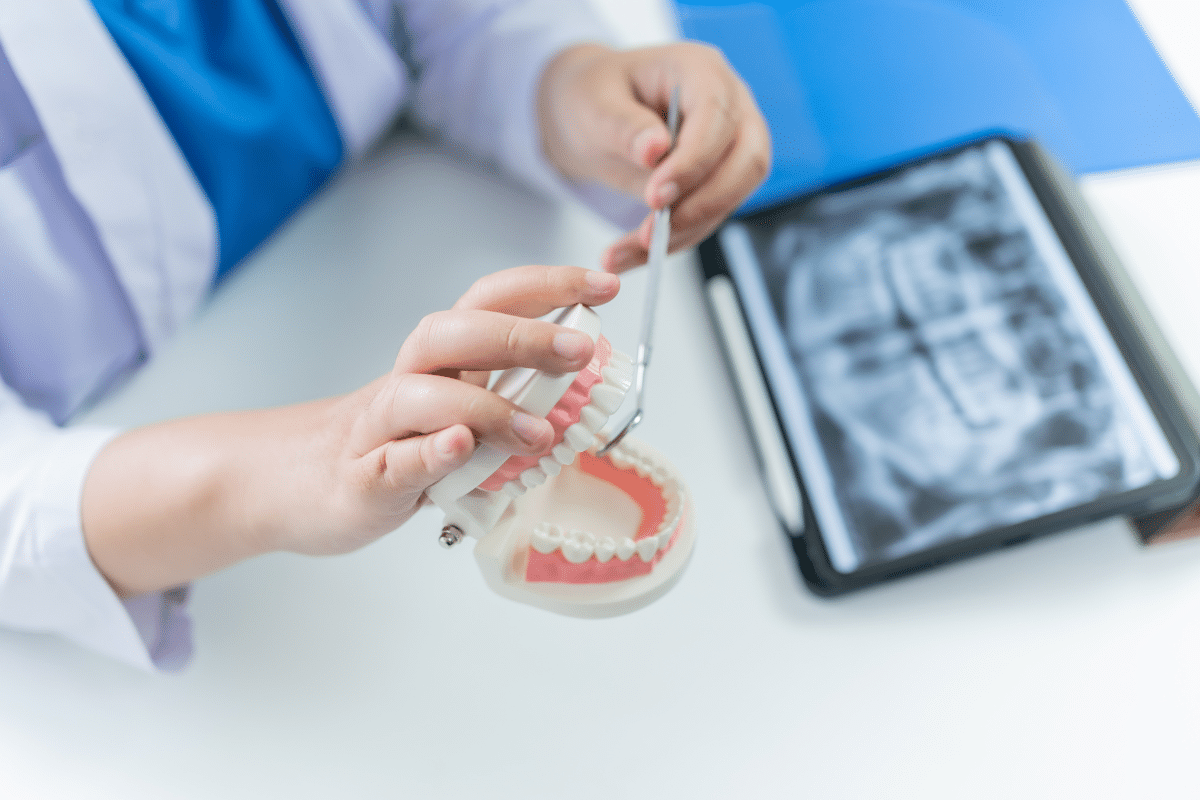
Digital imaging techniques and Computer-Aided Design/Computer-Aided Manufacturing (CAD/CAM) technology have significantly impacted cosmetic dentistry. High-resolution intraoral cameras capture precise images, aiding in the design of crowns, veneers, and implants. CAD/CAM technology then fabricates restorations with utmost accuracy, reducing treatment time and enhancing the fit and appearance of dental prosthetics.
Transformative Role of 3D Printing and Intraoral Scanners
The integration of 3D printing technology has revolutionized the creation of dental appliances. Customized aligners, crowns, bridges, and even models of dental structures are now efficiently manufactured using 3D printing, ensuring tailored solutions for patients. Additionally, intraoral scanners have replaced traditional impressions, offering a comfortable and accurate means of obtaining dental molds, enhancing patient comfort and experience.
Enhanced Patient Experience Through Digital Smile Design and Simulation
Digital smile design software has empowered both dentists and patients by providing a visual simulation of the expected outcome before commencing treatment. This interactive approach allows patients to actively participate in the design process, ensuring their desires align with the anticipated results. Such simulations facilitate informed decision-making and contribute to greater patient satisfaction post-treatment.
Conclusion:
The integration of technology in modern cosmetic dentistry has ushered in an era of precision, personalization, and patient-centric care. Embracing these technological advancements not only elevates treatment outcomes but also enhances the overall dental experience, paving the way for confident smiles and improved oral health.
As technology continues to evolve, so too will the possibilities within cosmetic dentistry, promising further innovations and advancements that will continue to transform smiles and lives. Understanding and embracing these technological marvels is key to unlocking the full potential of cosmetic dental treatments.